Blind Hole vs Through Hole in CNC Machining: What Design Engineers Need to Know
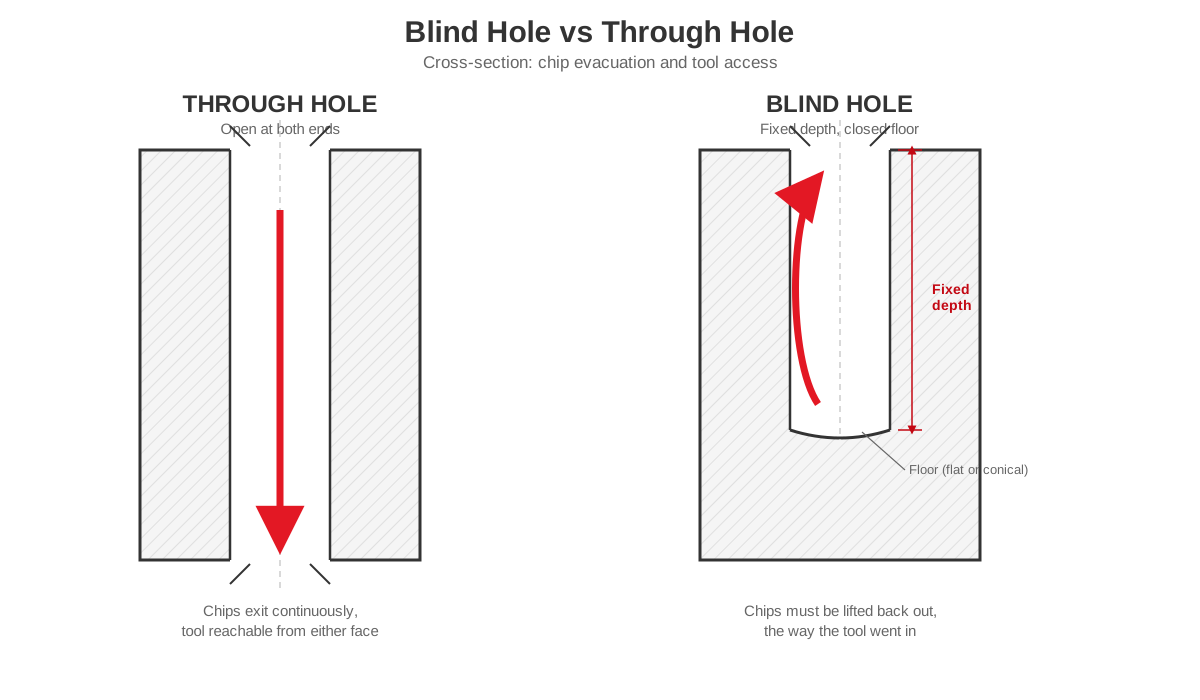
What separates a blind hole from a through hole, and what each one means for machining, tapping, and inspection.
Read the guidePractical, no-nonsense guides on tolerances, materials, machining processes, and design for manufacturing — straight from our factory floor in Shenzhen.

What separates a blind hole from a through hole, and what each one means for machining, tapping, and inspection.
Read the guideWhat micro CNC machining covers, which industries need it, and why cost per part runs higher than raw material suggests.
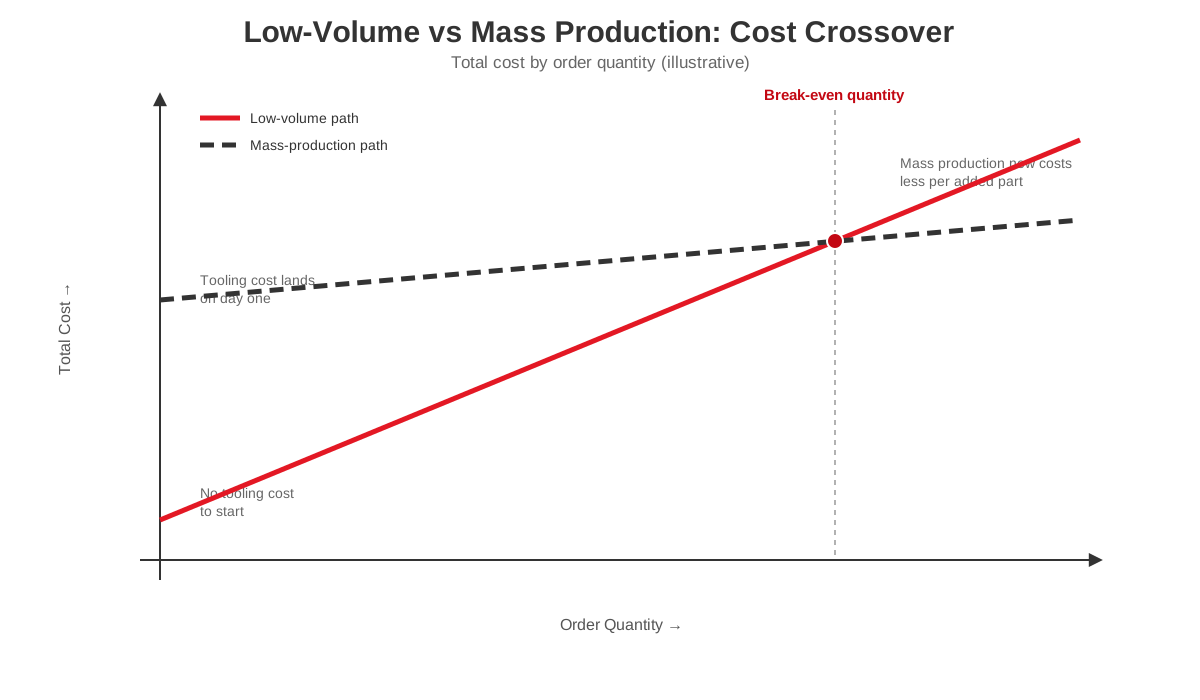
Cost per part, lead time, tooling investment and a simple framework for choosing between low-volume and mass production.
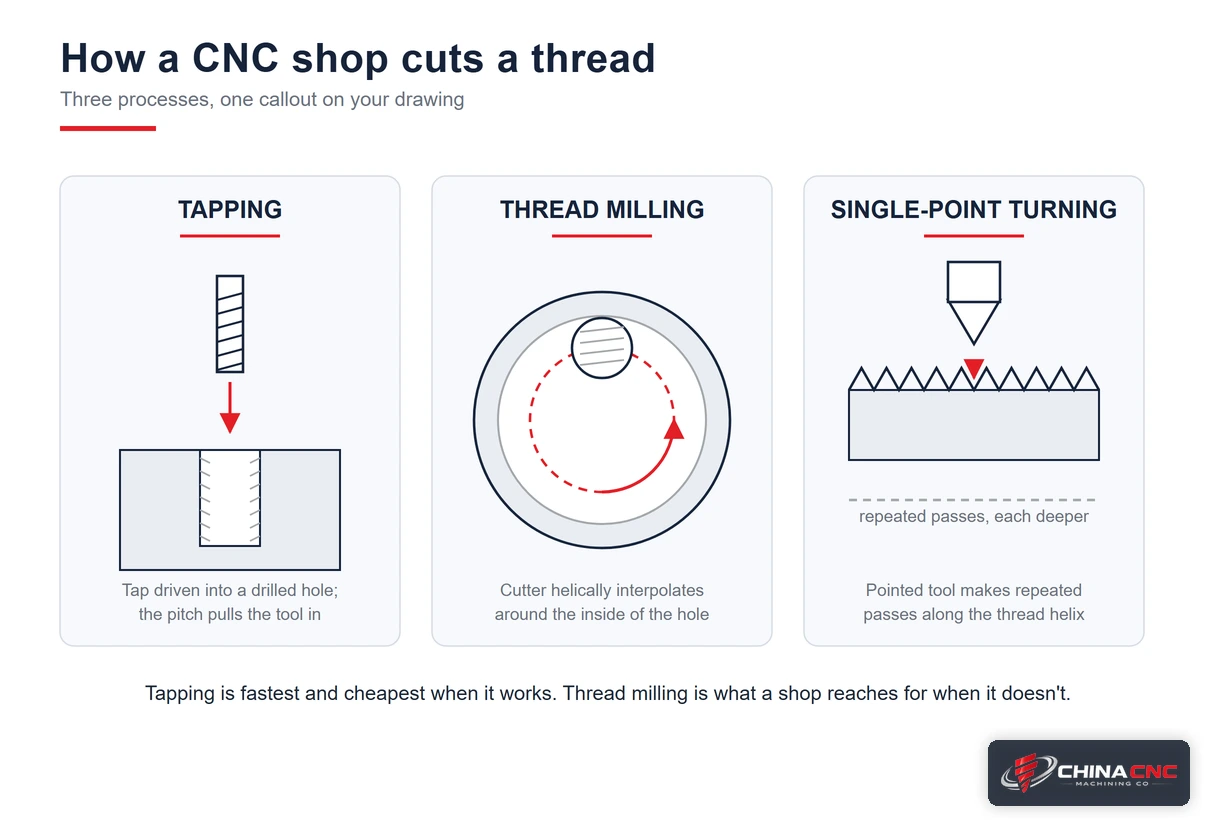
Tapping, thread milling and single-point turning — how each method works, when a shop picks it, and what to put on your drawing.
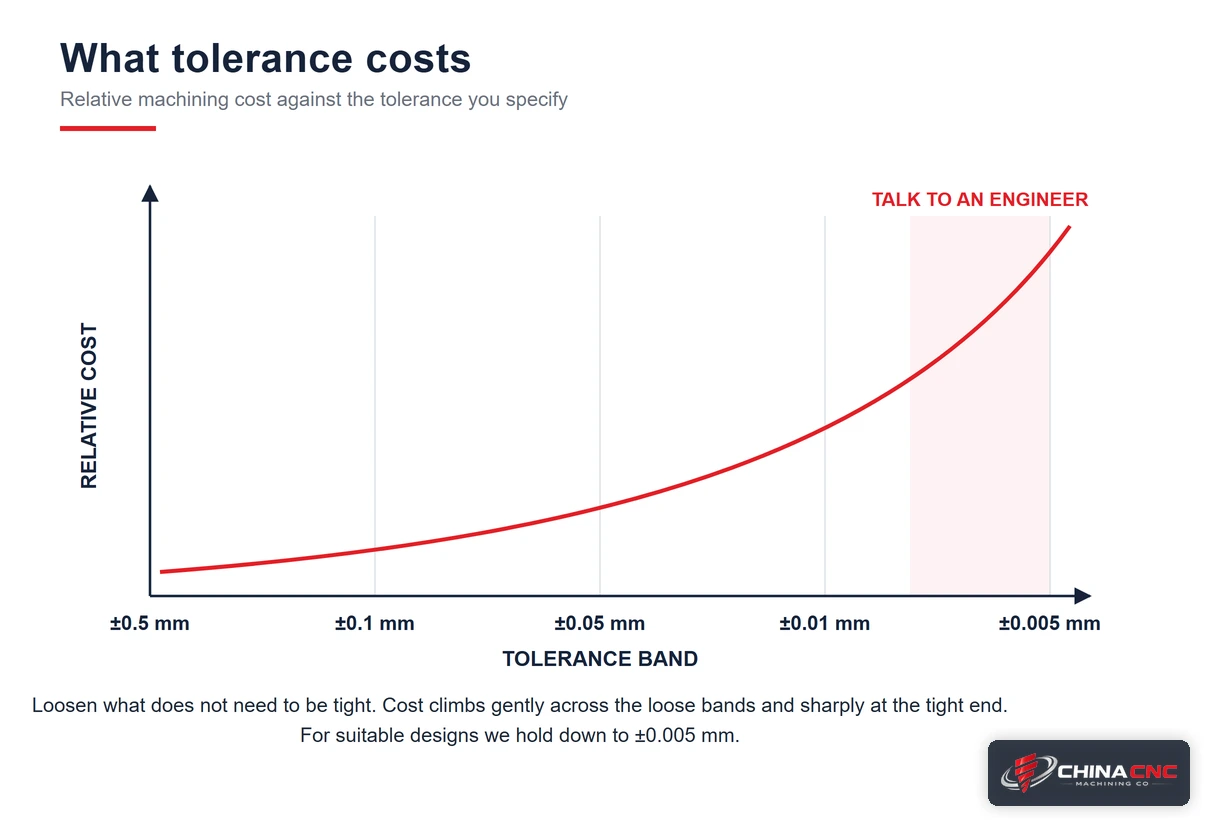
What a standard tolerance actually means, what genuinely counts as tight, and where the cost curve turns sharply upward.
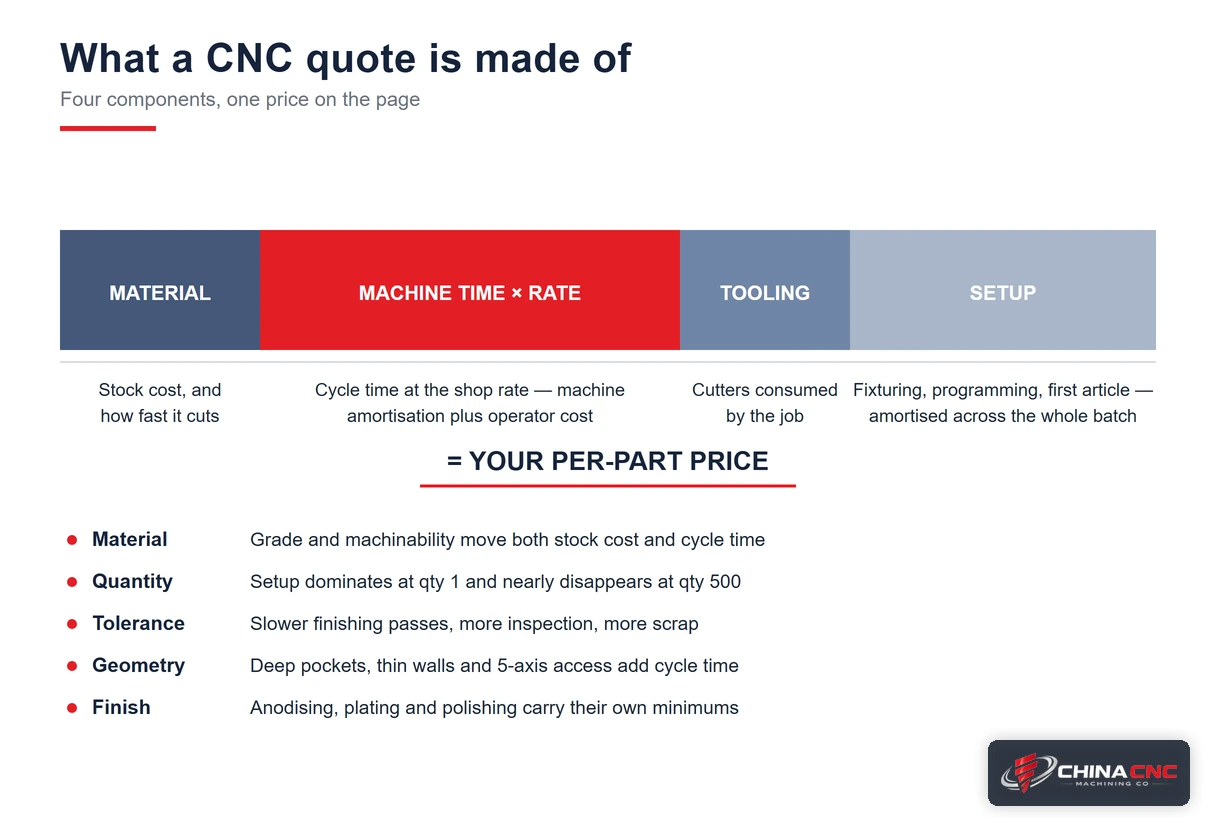
Material, quantity, tolerance, geometry and finish — what a CNC quote is actually built from, and what you can change to lower it.
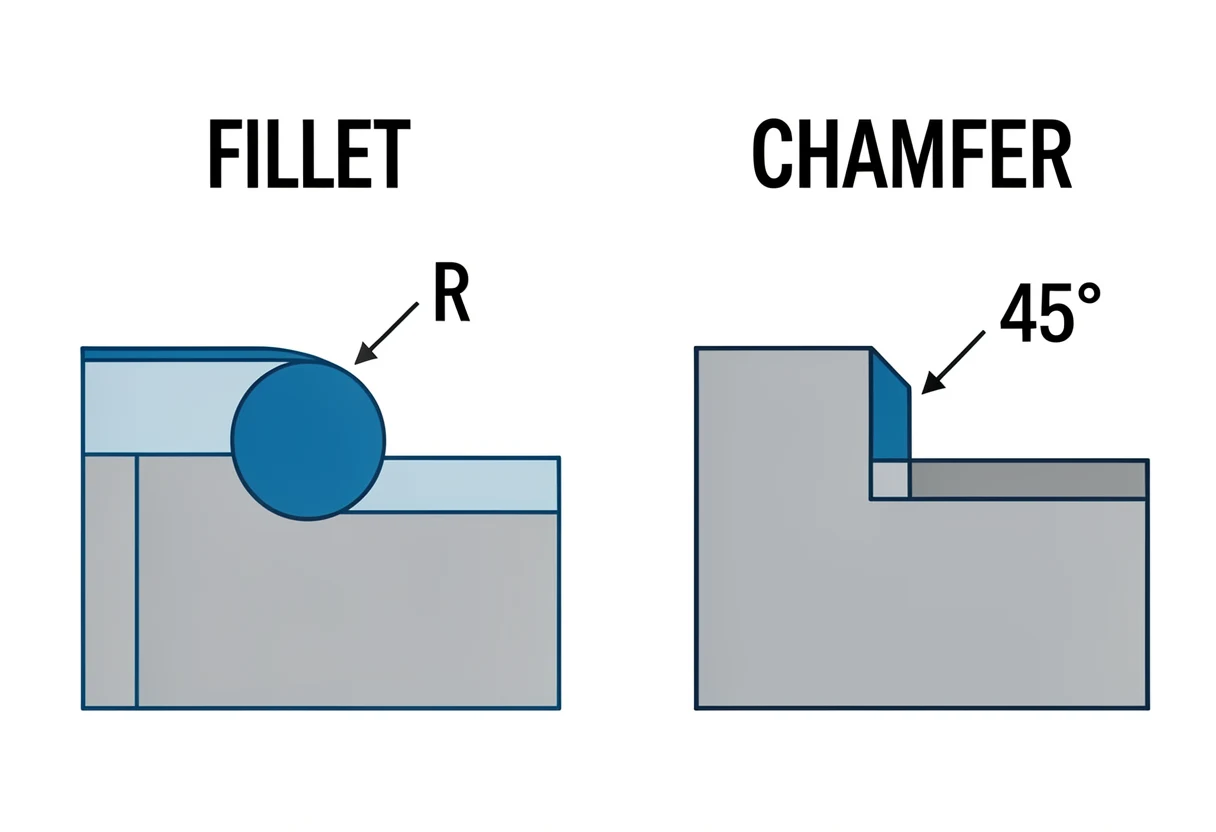
Cost, stress concentration, and how to call out a fillet vs a chamfer correctly on a CNC drawing.
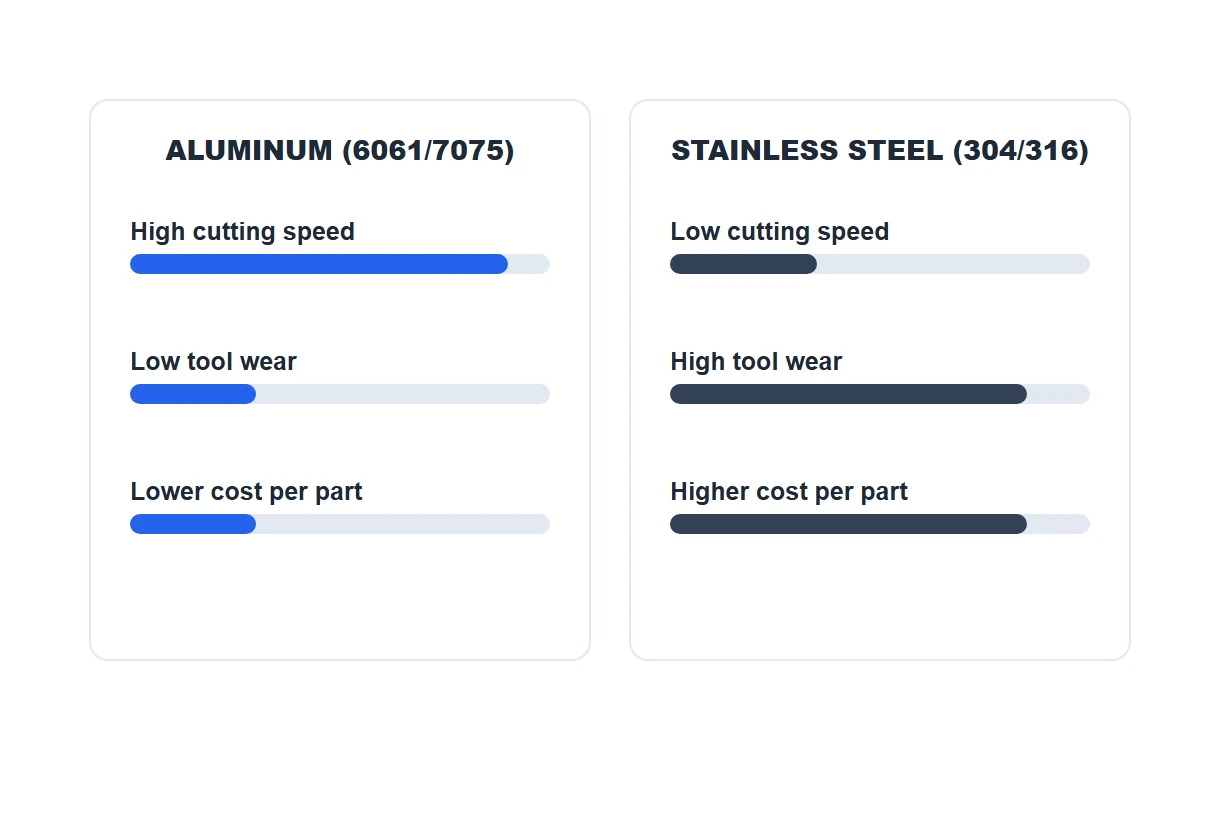
Compare machinability, cost, strength-to-weight, and corrosion resistance to pick the right material for your part.
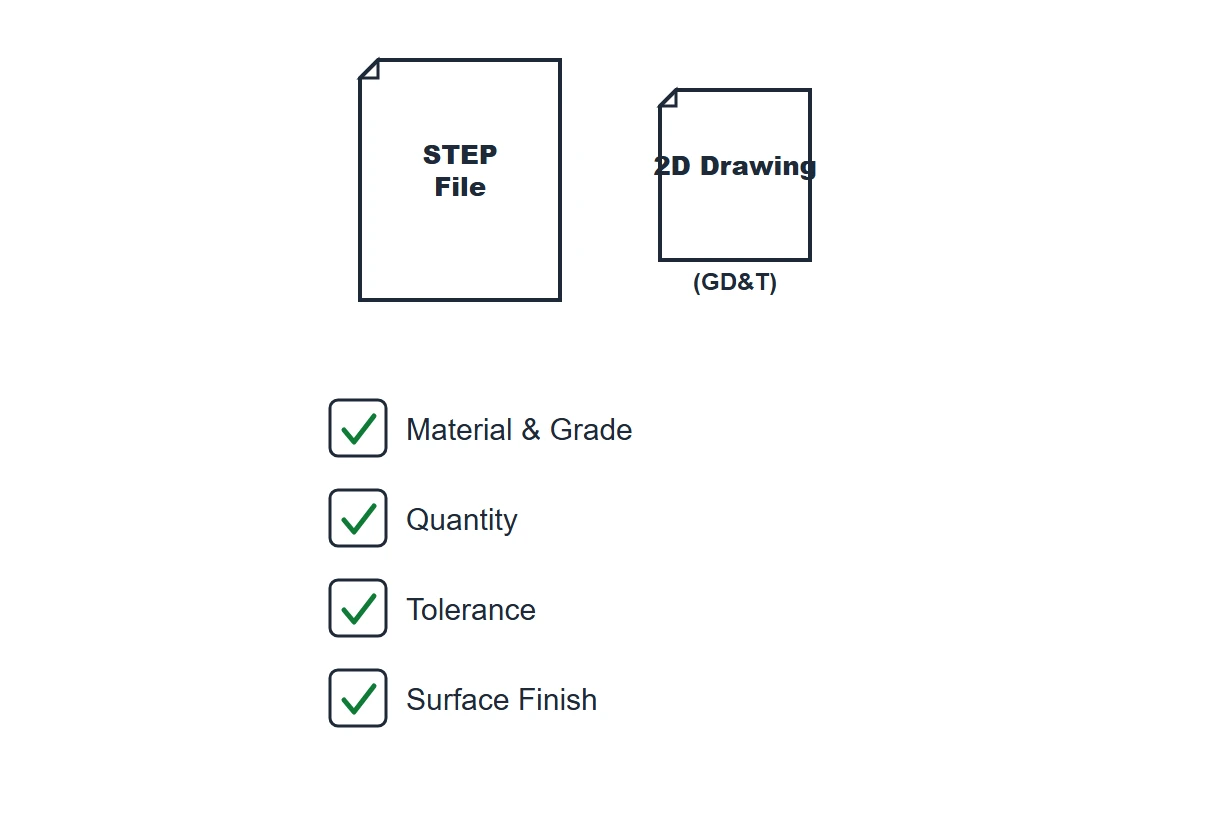
What to prepare, what happens after you submit, and how to read the quote you get back.
Reading is good; making is better. Upload your CAD and we return pricing, lead time, and DFM feedback fast.