
Titanium CNC Machining in China for Strong, Lightweight OEM Components
We run tough titanium CNC machining China programs when your BOM calls for Grade 5 (Ti-6Al-4V) strength or Grade 2 corrosion performance—specialist milling and turning for brackets, housings, and hardware where heat and weight matter. Applications often resemble aerospace and medical-alloy use cases on prints; we stay within ISO 9001:2015 and document what we can verify. Quotes tie grade, tolerances, and finishing to one scope.
- Milling and turning paths tuned for Ti-6Al-4V and commercially pure grades
- Heat- and chatter-aware setups for heat-resistant metal fabrication requirements
- Optional blast, clean, and finish coordination per your surface finishing scope
- Inspection aligned to the risk on your drawing—not a generic checklist
Titanium CNC Machining China: Strength, Weight, and Temperature
Buyers who need titanium CNC machining in China are usually balancing stiffness per kilogram, corrosion resistance, and service temperature—whether the print reads like aerospace hardware, motorsport, or general industrial performance parts. Titanium is not a drop-in for aluminum: cycles, tooling, and inspection all move with the alloy.
We machine Grade 5 when you need alpha-beta strength in a smaller envelope, and Grade 2 when commercially pure titanium fits corrosion and weldability better than peak strength. Compare with aluminum for weight-driven housings, stainless steel for corrosion-first budgets, or brass for conductivity—we quote the material your drawing locks.
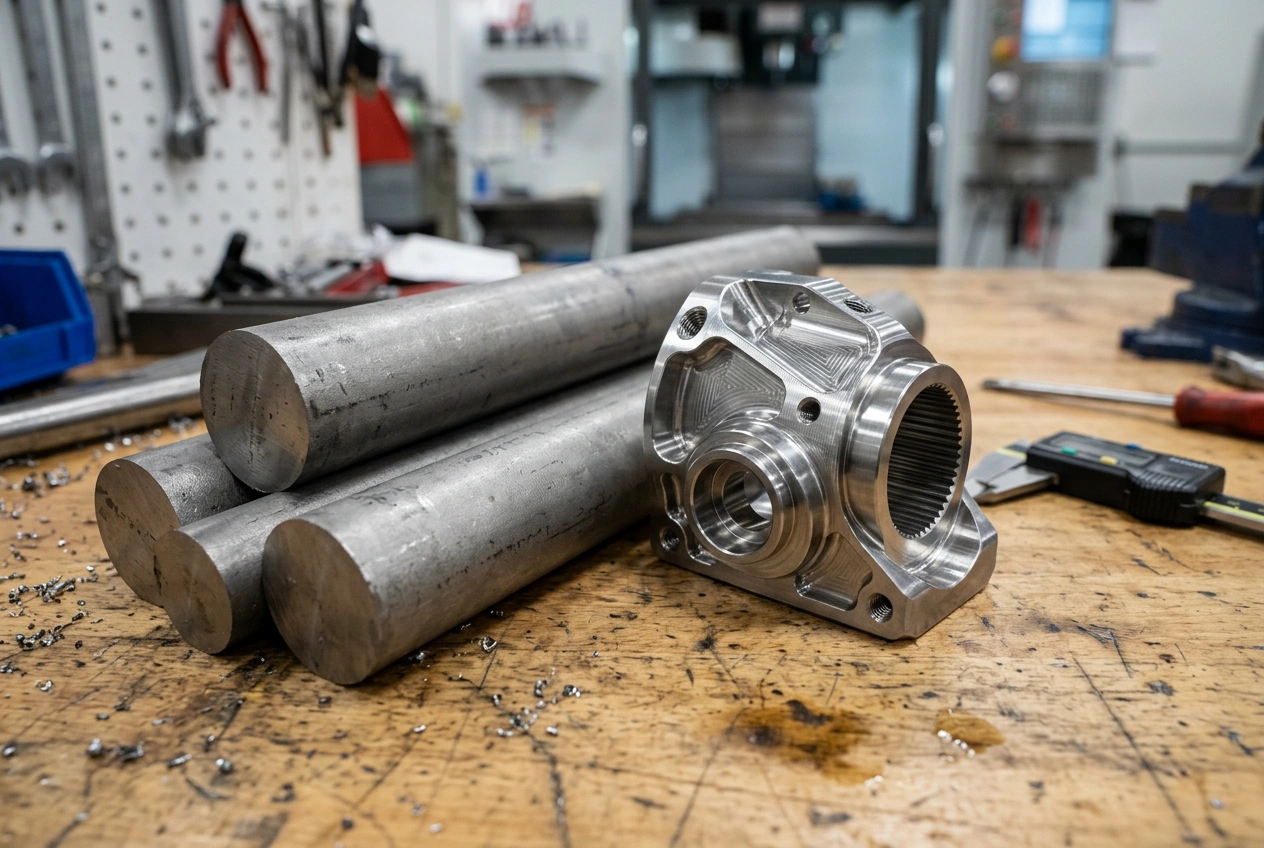
Grade 5 (Ti-6Al-4V) and Grade 2: What We Run From Your BOM
Our shop regularly machines Grade 5 (Ti-6Al-4V) and Grade 2 titanium aligned with common procurement callouts—other grades when your specification lists them. Values below are typical discussion bands; confirm strength and chemistry on mill certifications.
| Grade (typical) | Approx. tensile (MPa) | Typical notes |
|---|---|---|
| Grade 2 (CP) | ~345–450 | Commercially pure; strong corrosion resistance; weld-friendly; moderate strength. |
| Grade 5 (Ti-6Al-4V) | ~900–1100 | Most common alloyed titanium; high strength-to-weight; requires disciplined machining strategy. |
Mixed geometry often pairs milling and turning; complex finishing may use 5-axis machining when it truly reduces setups.
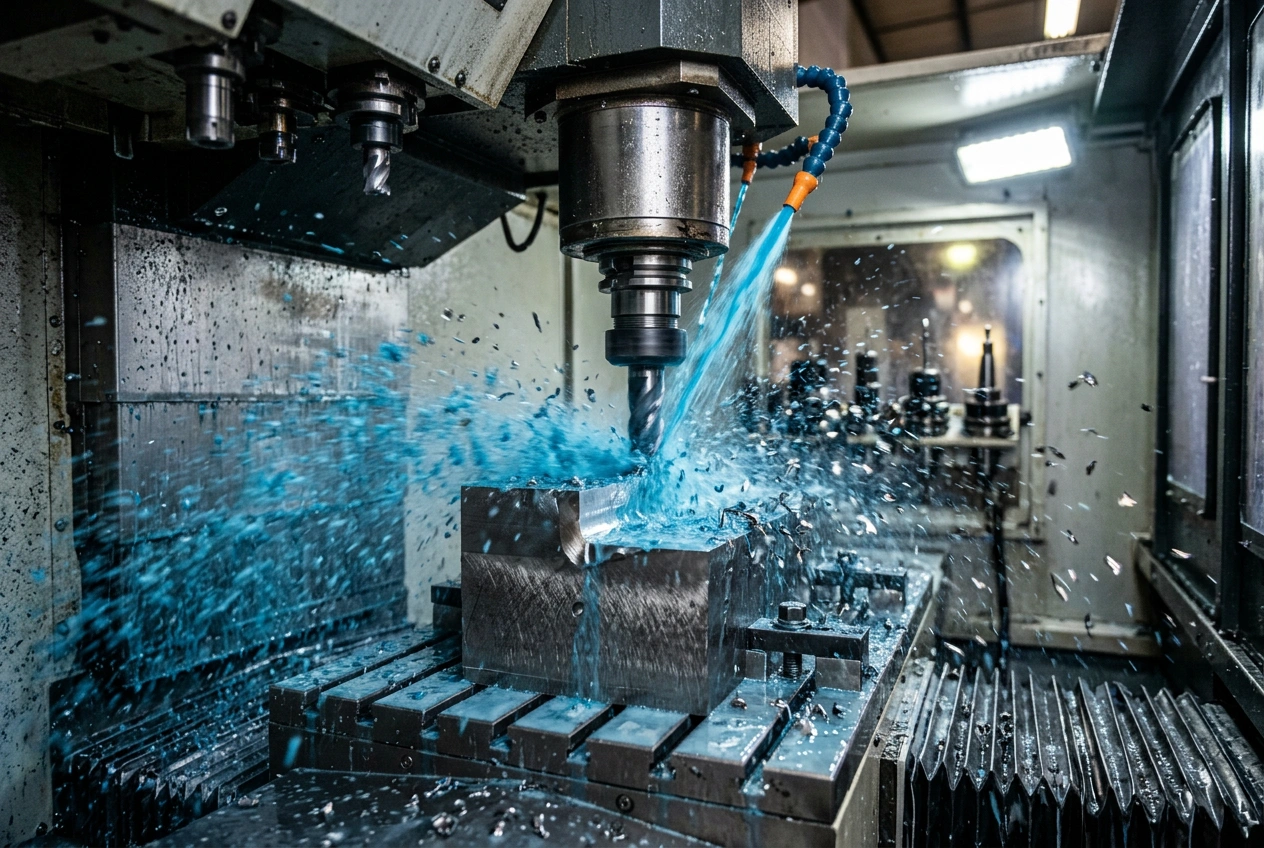
Heat, Tool Life, and Chatter Control
Titanium’s low thermal conductivity keeps heat at the tool tip if engagement is wrong—accelerating wear and inviting chatter on thin walls. We combine rigid fixturing, appropriate carbide tooling, high-volume coolant where your finish spec allows, and toolpaths that shear rather than rub.
That discipline is what makes specialist milling credible on Ti-6Al-4V: the machine, holder, and part have to agree before tight features mean anything in inspection.
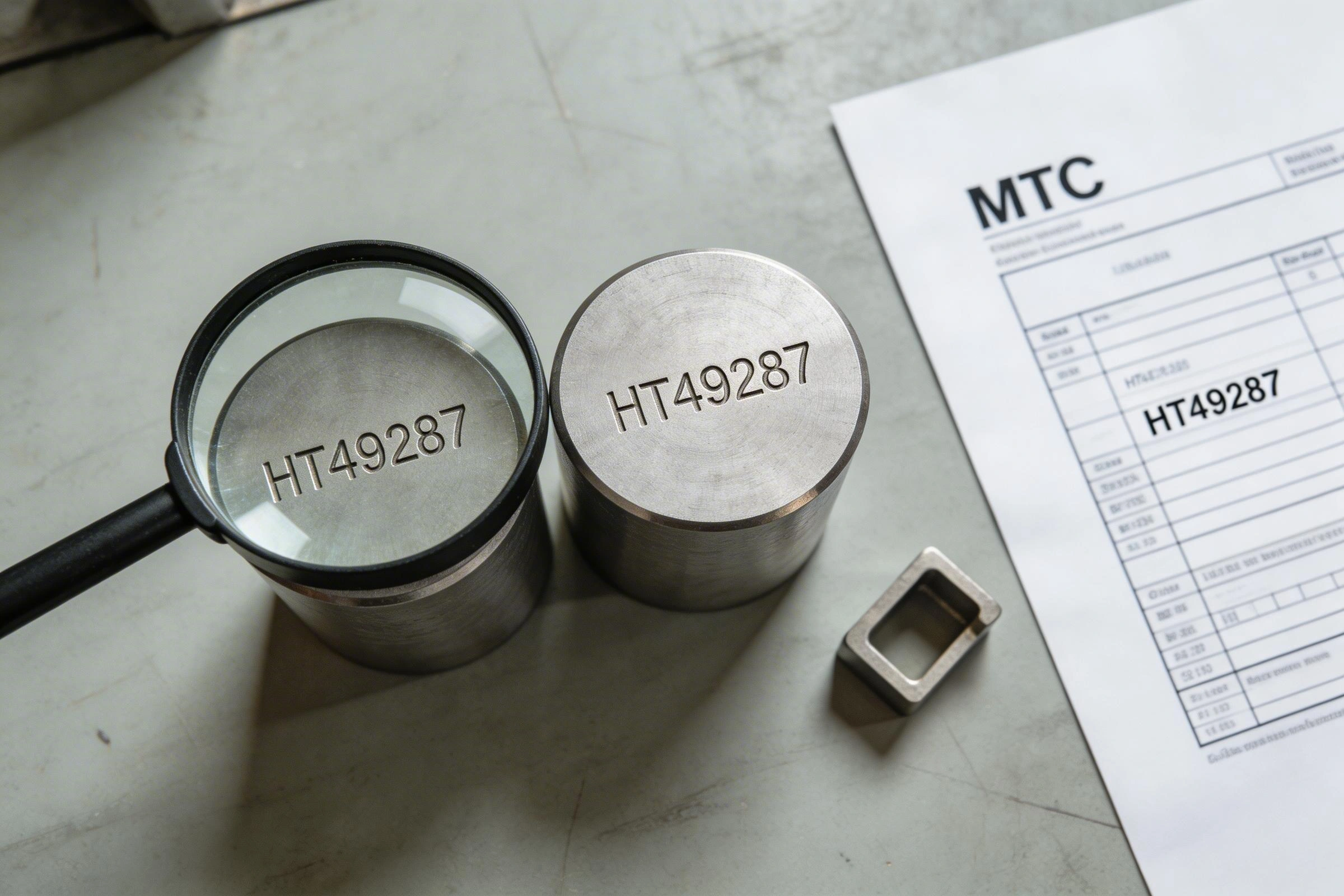
ISO 9001:2015 and Traceable Titanium
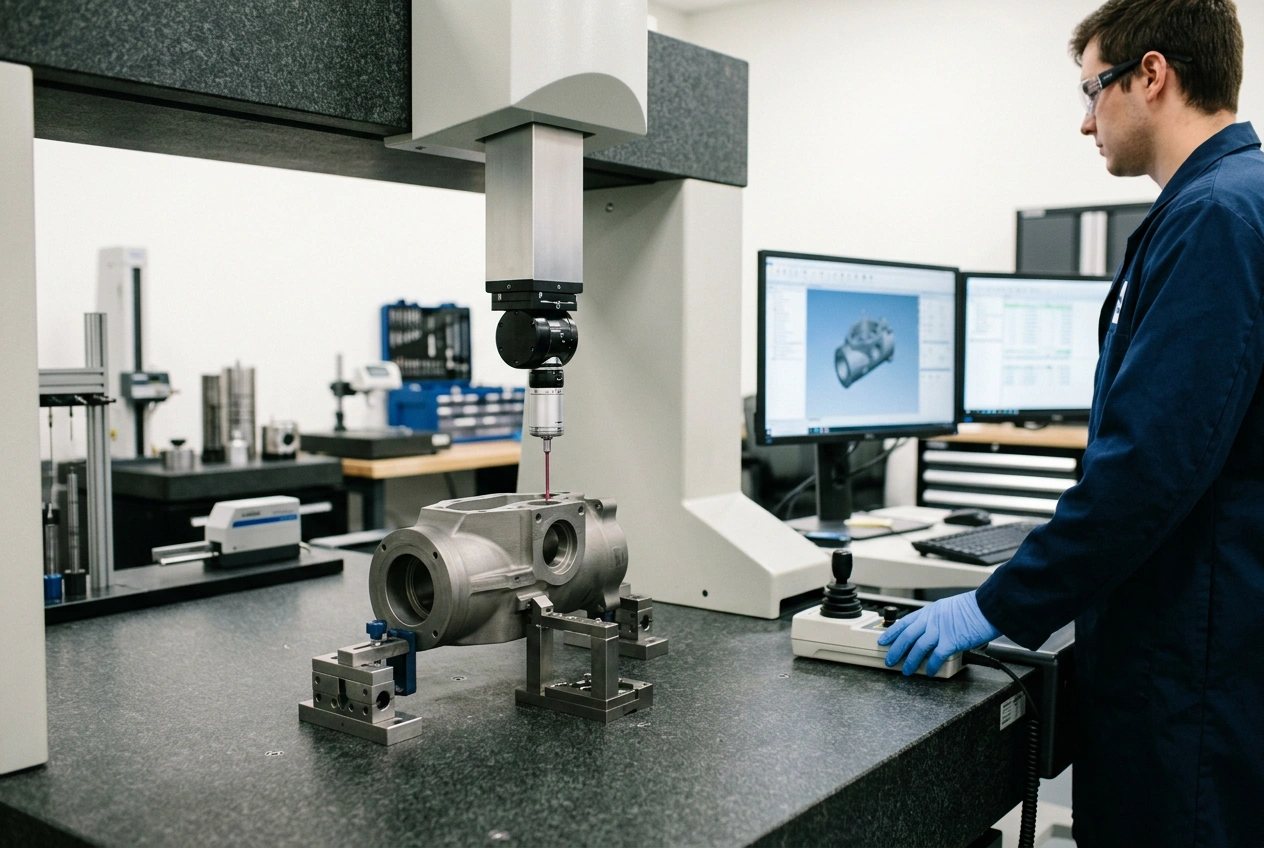
Programs run under documented travelers, trained operators, and calibrated metrology. Where your drawing calls for first-article or in-process sampling, we align CMM, height stands, and thread checks to the features that drive assembly risk.
Material certifications and traceability are available when specified at order entry. We state sector certifications only when we can evidence them—many buyers need ISO 9001-level control plans rather than industry labels we cannot back on paper.
Blast, Clean, and Coordinated Finishing
As-machined titanium often ships with deburr and clean only. Blast media can blend tool marks for cosmetics. Specialty oxide or coating systems may apply when your specification requires them—chemistry is application-specific, so we coordinate with finishing partners when your PO includes those steps.
See surface finishing and the CNC machining overview for how post-process fits the full job.
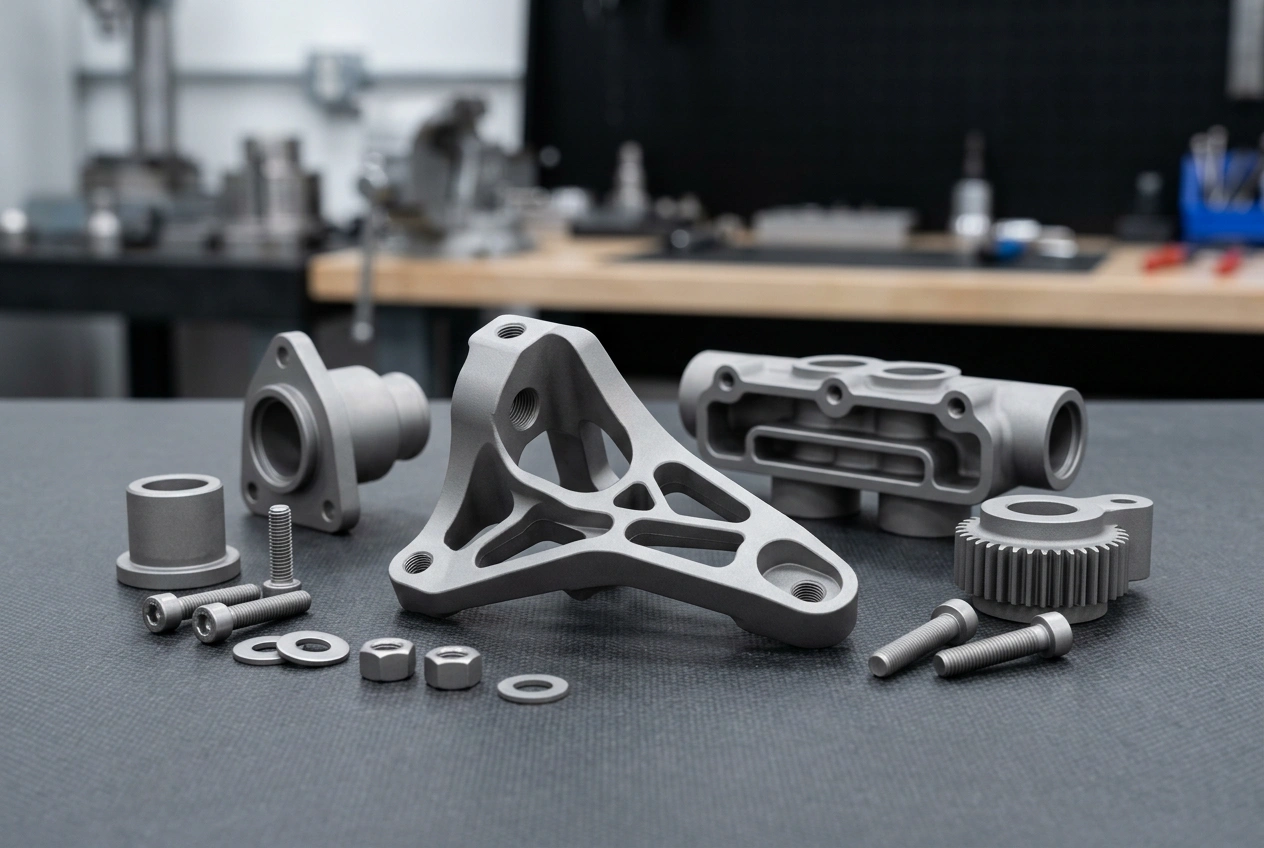
Where Machined Titanium Parts Show Up
Lightweight brackets, structural hardware, motorsport and industrial performance parts, and other assemblies where designers borrow aerospace-style or medical-alloy grade habits on the print. We document capability under ISO 9001:2015 and match inspection to the evidence your incoming QC requires.
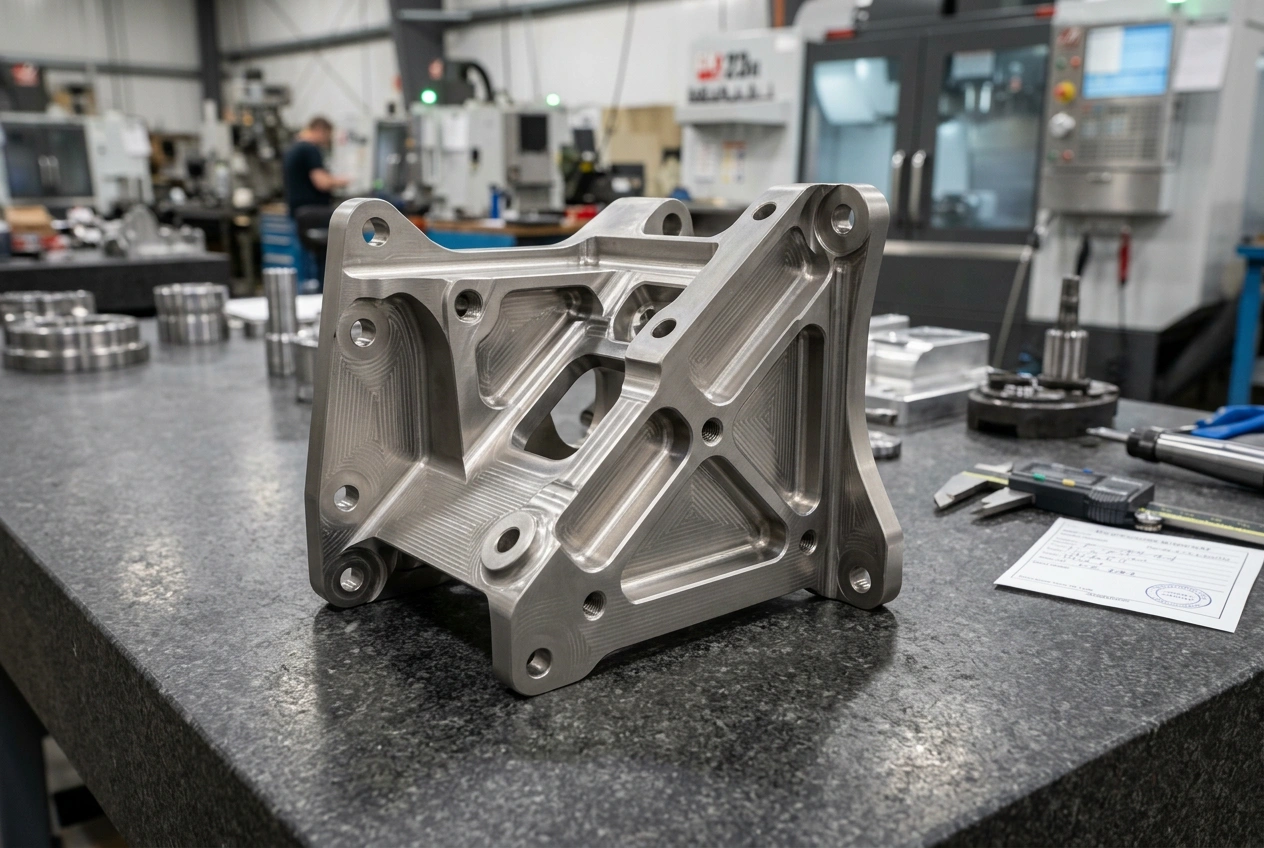
Titanium Programs Built for the Alloy, Not Generic Steel
The win is matching heat control, tooling, and inspection to the grade on the PO—before the first chip lands.
Heat-Aware Cycles
Feeds and engagement chosen to limit work-hardening and tool burnout on Ti.
Setup Rigid Enough for Ti
Workholding and tool reach planned for chatter-prone thin features.
Quotes With Open Assumptions
Grade, tolerance, finishing, and inspection spelled out for procurement sign-off.
Export-Ready Delivery
Packing and documentation for North America, Europe, and Australia.
Questions About Titanium CNC Machining in China
Why choose tough titanium CNC machining for high-performance parts?
Titanium alloys combine high strength-to-weight ratio with excellent corrosion resistance in many environments—useful when aluminum is too soft and steel is too heavy. CNC machining holds complex geometry, threads, and seal faces to drawing when your application needs heat-resistant metal fabrication logic, not just a material swap.
Grade 2 vs Grade 5 (Ti-6Al-4V)—which titanium should I specify?
Grade 2 is commercially pure titanium: very corrosion-resistant, weld-friendly, and moderate in strength—common in chemical and marine-style hardware. Grade 5 (Ti-6Al-4V) is the workhorse alpha-beta alloy: much higher strength for the same volume, widely used in aerospace-style and performance parts. We align grade to your loads, weld plan, and any downstream processing.
Do you specialize in milling Grade 5 titanium as well as turning?
Yes. Prismatic housings, pockets, and thin walls are often milled; round-heavy parts stay on lathes. Grade 5 responds to rigid setups, sharp tooling, and disciplined coolant. When five-sided finishing cuts setups, we can route work through our five-axis capability—quoted only when it honestly beats a simpler route.
Is titanium harder to machine than aluminum or stainless?
Generally yes: lower thermal conductivity concentrates heat at the cut, and the alloy work-hardens if passes rub instead of shear. That means conservative engagement, high coolant delivery where the spec allows, carbide or purpose-built grades of tooling, and workholding stiff enough to limit chatter. We plan cycles for the grade and geometry you actually buy.
What tolerances can you hold on machined titanium?
Tolerances depend on part stiffness, tool reach, and whether dimensions tie across setups—not the alloy name alone. Thin walls, deep pockets, and interrupted cuts on Ti behave differently from open plates. Call out critical dimensions and datums on the drawing so inspection matches your release criteria.
What surface treatments work after titanium CNC machining?
Bead or grit blast can unify cosmetic appearance; chemical cleaning and passivation-style treatments may apply depending on spec. Decorative oxide films on titanium are process-specific—coordinate chemistry with your finishing partner when color or wear resistance is contractual. See the surface finishing page on this site for the broader menu.
What should I upload for a titanium machining quote?
Send STEP, STP, IGES, or X_T solids plus PDF or DWG drawings for threads, GD&T, and notes not fully modeled. State grade (e.g. Grade 2, Grade 5), quantity, heat-treat or stress-relief requirements, finishing scope, and any material certification needs so the quote matches production.
How does titanium CNC cost compare to aluminum or steel?
Material cost per kilogram and cycle time are usually higher than for many aluminums: more tool wear risk, slower productive feeds, and sometimes more inspection. Total economics still depend on geometry, tolerance bands, and lot size—we quote the full program, not a single hourly rate in isolation.
How fast can you deliver titanium prototypes or production?
Delivery depends on stock availability, programming complexity, finishing scope, and inspection—not the grade label alone. After scope is fixed, you receive a confirmed window in the quote rather than an open-ended promise after the PO is placed.
Request a quote on titanium CNC parts
Upload CAD and drawings for Grade 5 (Ti-6Al-4V), Grade 2, or another specified grade. We return lead time, finishing options, and inspection scope in writing.
Why buyers choose us
- 12–24h quote turnaroundPricing, lead time, and DFM feedback — fast.
- NDA-ready & confidentialYour CAD files and IP stay protected.
- ISO 9001:2015 certifiedDocumented inspection at every stage.
- No fixed MOQFrom single prototypes to full production runs.