
Low-Volume CNC Machining in China for Repeat Small-Batch Production
Our low volume CNC machining China service supports teams that need repeatable small-batch output between prototype and mass release. For typical small batch runs, we align setup strategy, revision control, and inspection so each delivery remains consistent as quantities scale.
- Flexible batch planning for bridge and pilot production runs
- No fixed MOQ constraints for CNC quoting workflows
- Repeatability-focused process control for recurring lots
- Inspection and documentation aligned to incoming QC needs
Low-Volume CNC as the Bridge Between Prototype and Scale
Low-volume machining is the stage where speed still matters, but repeatability becomes the main priority. Programs at this stage typically support launch validation, regional rollouts, service parts, or engineering change cycles that are too dynamic for immediate high-volume tooling.
Compared with prototype-only builds, low-volume plans require tighter revision control, consistent fixtures, and stable inspection criteria across batches.
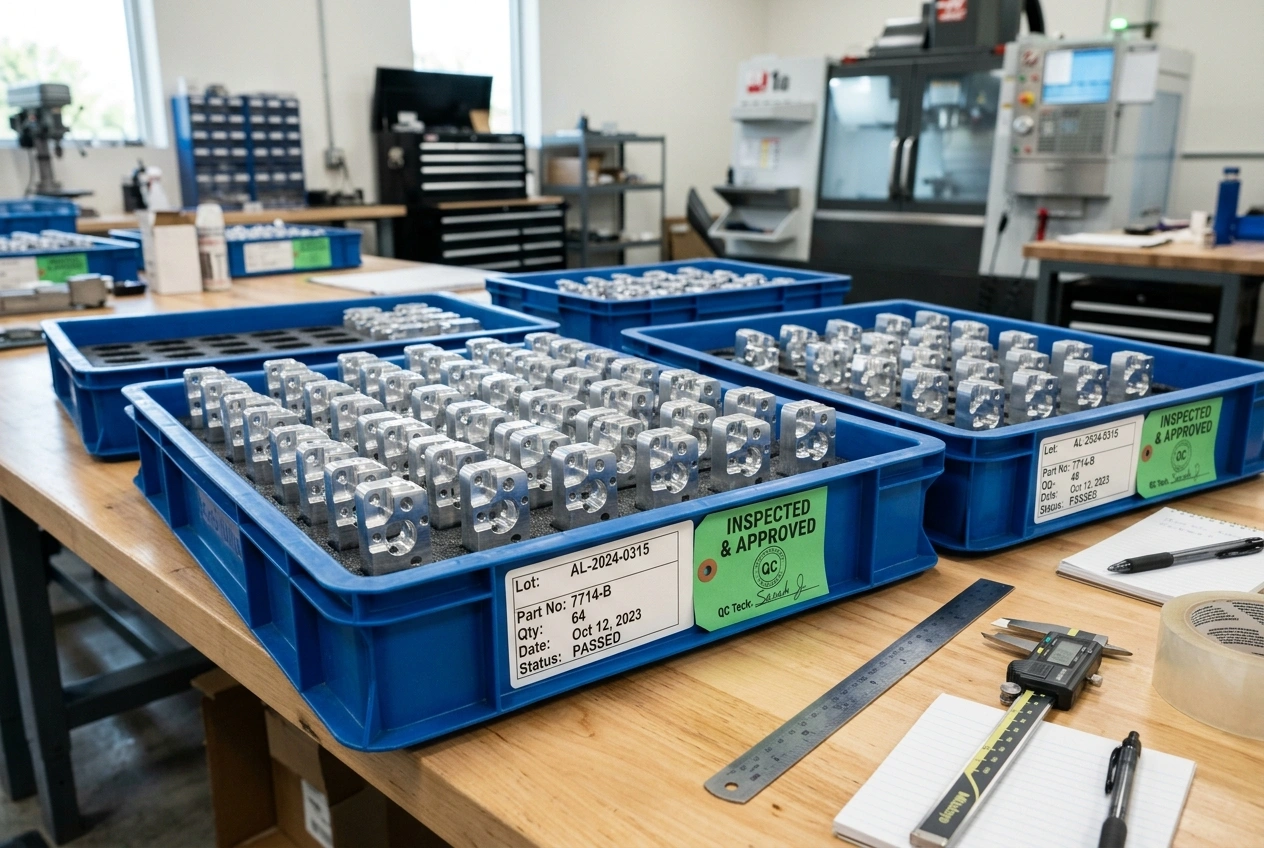
Small Batch Runs with Controlled Process Planning
We support mixed geometry and materials across milling and turning workflows, including complex parts that need multiple operations and repeat quality checks. As lot sizes rise, we optimize setup reuse and fixture strategy to keep part-to-part stability without overengineering for mass production too early.
Related paths include prototyping for faster design iteration and mass production when demand and design maturity justify full-scale release.
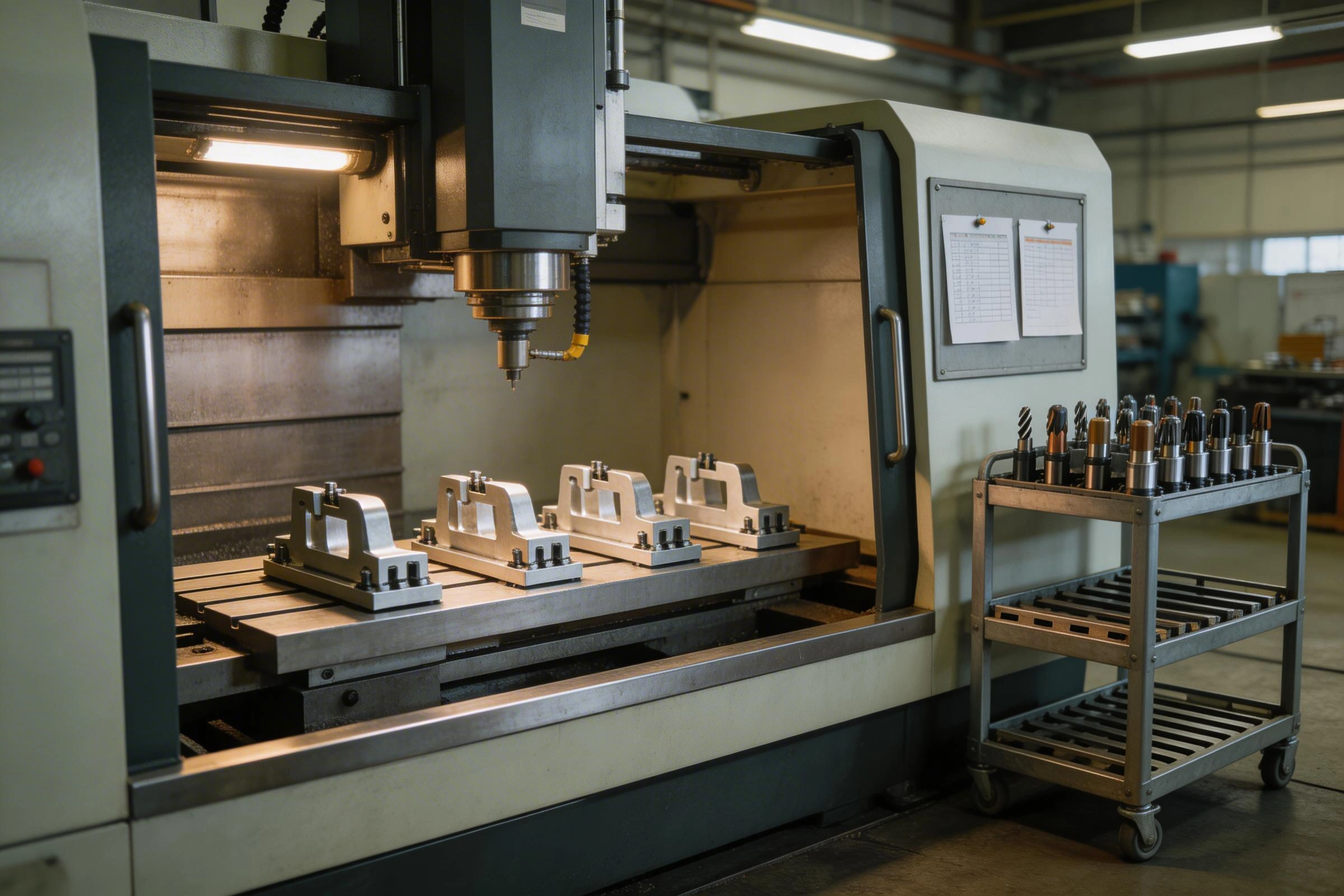
Metals and Plastics for Bridge Production
Low-volume programs can run in aluminum, stainless, brass, titanium, and engineering plastics based on product requirements. Material selection should reflect functional loads, environment, and downstream finishing, not only unit cost at one quantity tier.
For specific material behavior, see aluminum, stainless steel, titanium, and plastic machining.
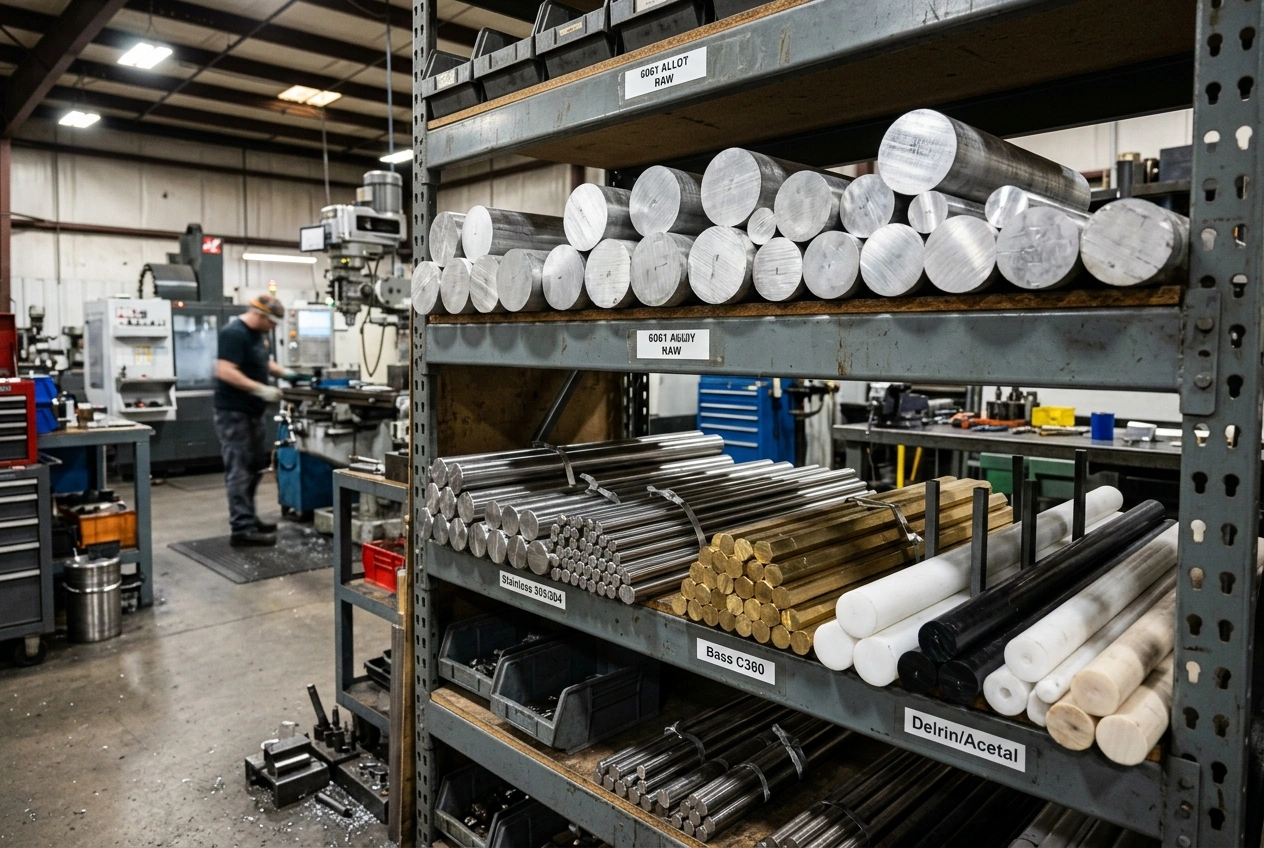
ISO 9001:2015 Controls for Recurring Batch Consistency
Our quality workflow applies first-article validation, in-process checks on critical dimensions, and final verification tied to your print requirements. For recurring releases, we keep inspection logic consistent so acceptance criteria do not drift from lot to lot.
Material certificates and reporting formats are available when specified at order entry.

How to Keep Small-Batch CNC Cost Predictable
Low-volume economics improve when drawing intent is clear and setup churn is reduced between releases. Practical cost drivers include fixture complexity, tolerance concentration, secondary finishing, and inspection depth. We scope these drivers explicitly so purchasing sees the same assumptions as production.
When your revision cycle stabilizes, we can discuss progression paths into more automated or higher-volume strategies.
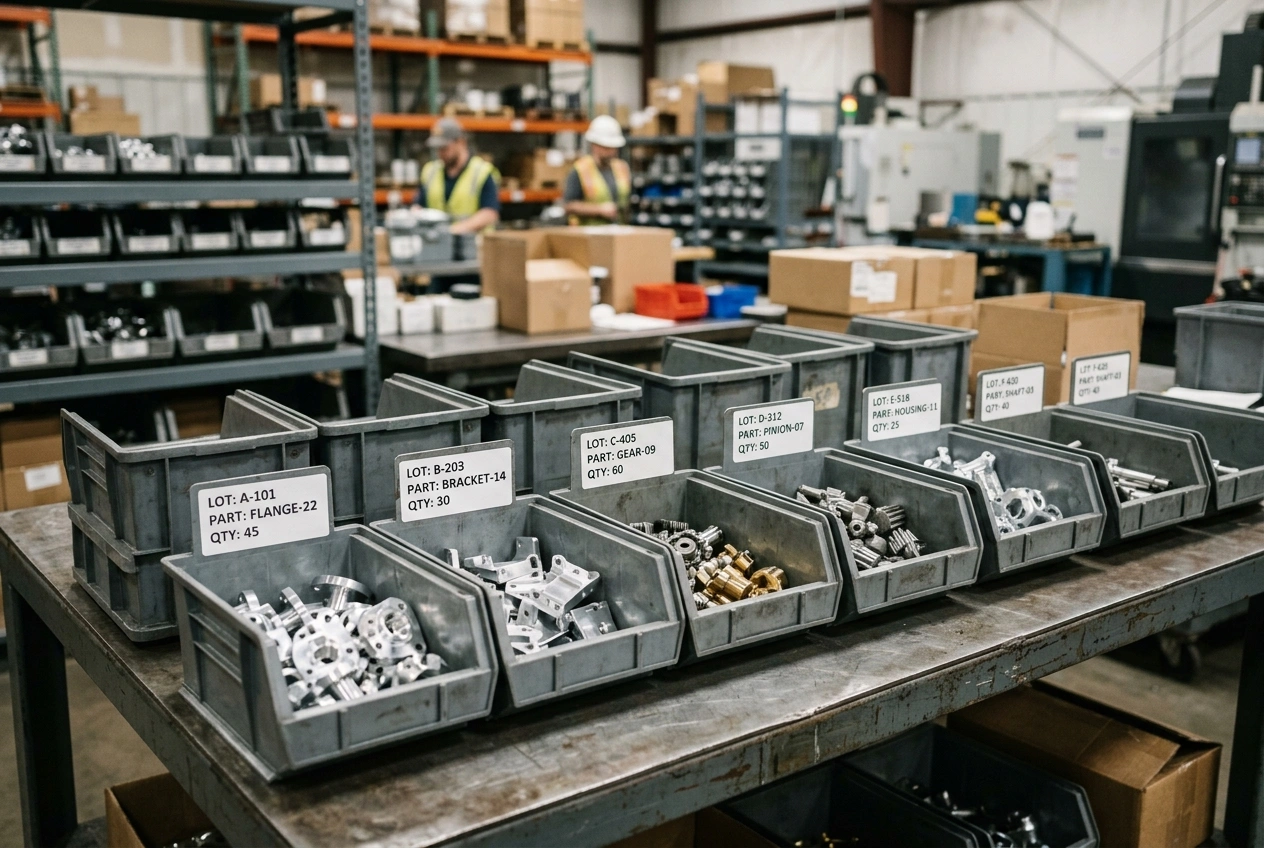
Low-Volume Programs Built for Repeatability
Small batches only work when setup, revision control, and inspection remain stable across deliveries.
Bridge Production Planning
Process choices made for transition from prototype to repeat runs.
Setup Reuse Strategy
Fixture and program continuity to reduce variation across batches.
Inspection-Driven Consistency
Critical dimensions tracked with repeatable checks and clear records.
Export-Ready Delivery
Packing and documentation for North America, Europe, and Australia.
Questions About Low-Volume CNC Machining in China
What is low volume CNC machining and when should I use it?
Low volume CNC machining is small-batch production for teams that are past one-off prototypes but not ready for full high-volume release. It is commonly used for bridge production, pilot launch parts, and controlled market validation where revision speed still matters.
What batch sizes are typical for low-volume CNC runs?
Typical low-volume lots range from dozens to a few hundred units, often around the 50 to 500 range depending on part complexity and procurement strategy. We align setup, fixture planning, and inspection cadence to your release quantity and repeat schedule.
Do you have an MOQ for low-volume machining?
No fixed MOQ is required for CNC workflow planning. We can quote from prototype-adjacent quantities through repeat low-volume releases, with economics based on setup intensity, cycle time, material, and quality scope.
How does low-volume machining differ from prototyping?
Prototyping prioritizes design validation and fast iteration. Low-volume production prioritizes repeatability, documented process control, and predictable delivery over multiple batches. The transition usually includes tighter revision control and more structured inspection checkpoints.
What should I upload for a low-volume CNC quote?
Send STEP, STP, IGES, or X_T files plus PDF or DWG drawings for GD&T, threads, and notes not fully captured in the model. Include quantity breaks, material grade, finishing scope, and required documentation so quote and delivery expectations match.
What tolerances can you hold in small-batch production?
Tolerances depend on geometry, material behavior, and setup strategy. For low-volume runs, we focus on critical dimensions and datums with repeatable inspection methods so part-to-part consistency remains stable across batch cycles.
How does lot size affect price and lead time?
Smaller batches carry more setup overhead per part, while repeat lots benefit from fixture familiarity and established process controls. Price and timing are also driven by material lead time, finishing requirements, and inspection depth.
Can low-volume runs scale into mass production later?
Yes. Low-volume programs can serve as a controlled bridge into higher-volume planning by validating process capability, quality criteria, and packaging requirements before large-scale release.
What quality controls are used for low-volume builds?
Our ISO 9001:2015 workflow uses first-article checks, in-process verification on critical features, and final inspection aligned to your drawing. Material certificates and reporting formats are available when specified at order entry.
Request a quote for low-volume CNC production
Upload CAD and drawings for small-batch runs. We return lead time, process assumptions, and inspection scope in writing.
Why buyers choose us
- 12–24h quote turnaroundPricing, lead time, and DFM feedback — fast.
- NDA-ready & confidentialYour CAD files and IP stay protected.
- ISO 9001:2015 certifiedDocumented inspection at every stage.
- No fixed MOQFrom single prototypes to full production runs.