
Medical CNC Machining in China for Surgical and Device Components
Our medical CNC machining China service supports precision parts for surgical instruments and medical device assemblies, from prototype validation to controlled repeat builds. We emphasize documented quality control, traceability-ready workflows, and inspection aligned to critical dimensions and interfaces.
- Precision machining for instrument components and device hardware
- Material and process controls aligned to medical project requirements
- Prototype, low-volume, and repeat production support
- Inspection-focused delivery with documentation options
Medical Components Where CNC Precision Is Critical
Medical projects often require stable dimensional control on bores, threads, sealing interfaces, and mating surfaces that affect assembly and function. We machine components for instrument systems, fixture tooling, and medical device subassemblies where repeatability and documentation are essential.
Programs are planned around drawing-defined critical features so engineering, quality, and procurement teams can evaluate risk clearly before release.
From Prototype Validation to Controlled Medical Supply
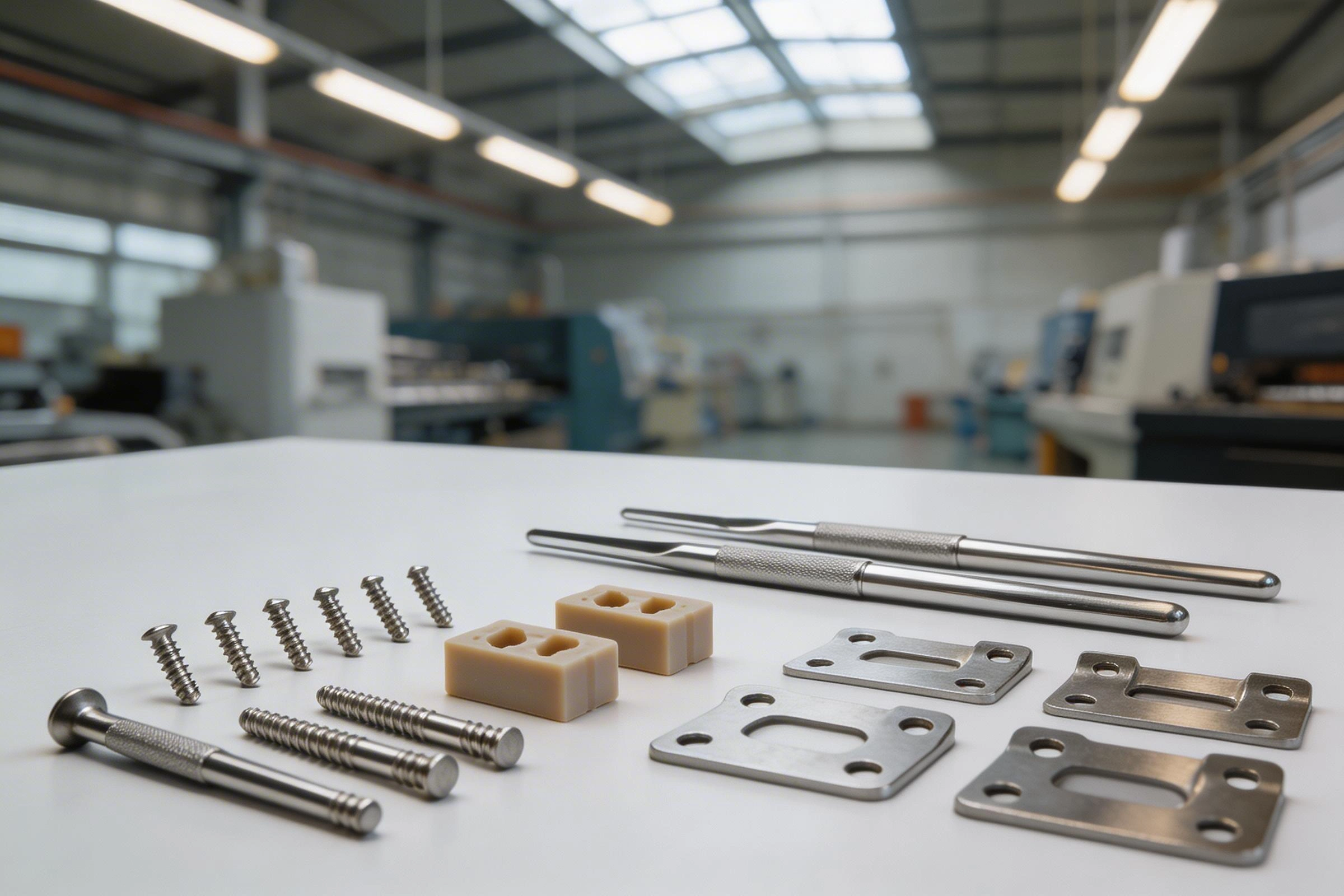
Medical programs commonly move through staged development: initial samples, design updates, then controlled repeat release. We support this path with revision discipline, first-article verification, and process continuity between prototype and low-volume phases.
Related pathways include prototyping, low-volume, and production planning depending on project maturity.
Medical-Relevant Metals and Engineering Polymers
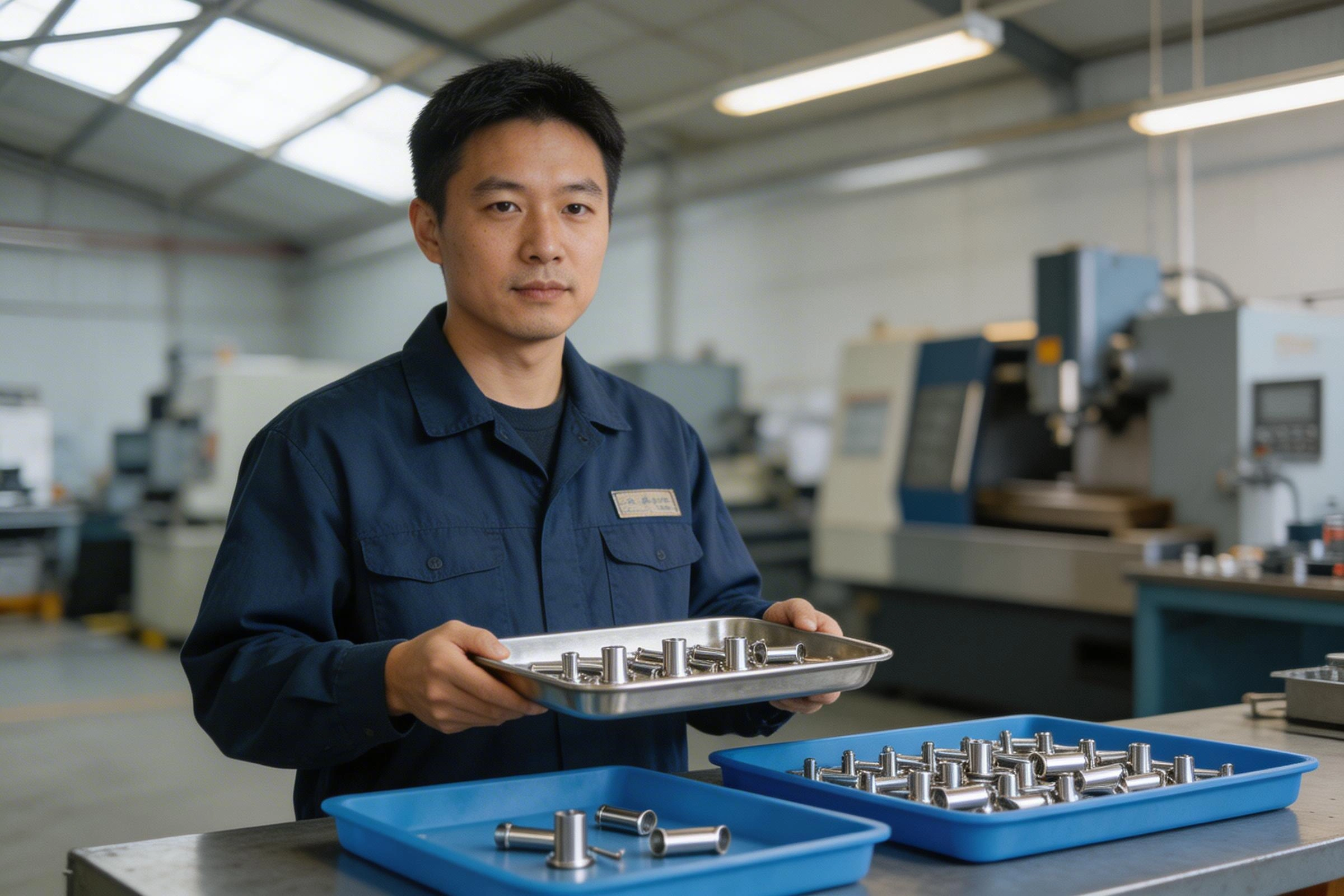
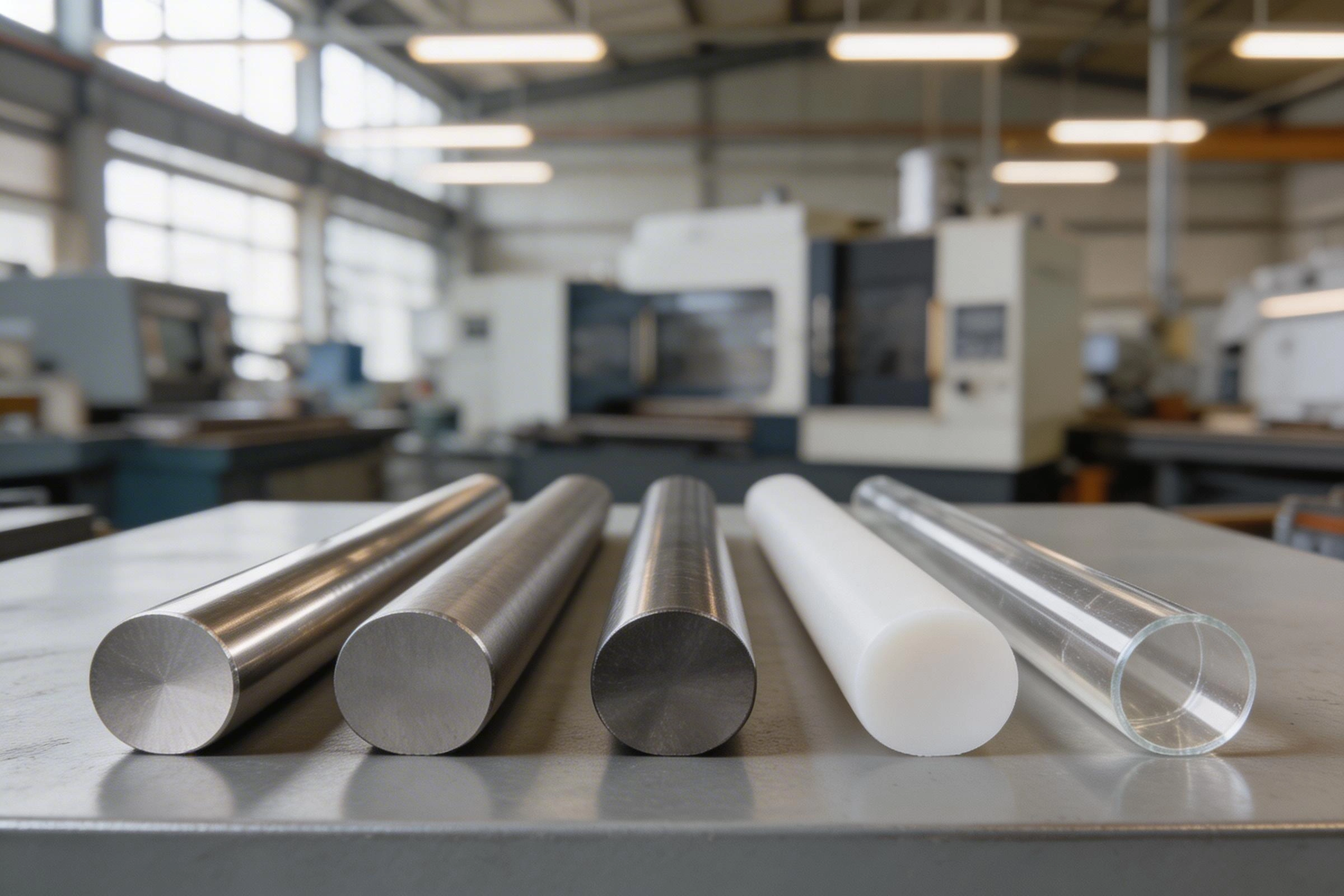
Material strategy depends on application and specification. Programs may include stainless and titanium alloys, cobalt-based materials, and engineering polymers such as PEEK or medical-relevant plastics where suitable. We align machining approach, handling, and inspection to the required grade and feature risk.
For material context, see stainless steel, titanium, and plastic machining.
Strict Quality Control and Traceability-Ready Documentation
Our ISO 9001:2015 quality workflow includes first-article checks, in-process verification, and final dimensional validation tied to your drawing. For medical components, we emphasize repeatable measurement methods and record clarity so acceptance decisions are defensible.
When specified, we provide material certificates and inspection documentation formats aligned to project requirements.

What Helps Medical Quotes Move Faster
Quotes are faster and clearer when CAD, GD&T drawings, critical characteristics, material callouts, and documentation expectations are complete at submission. Early DFM review usually reduces revision loops and supports smoother engineering-to-quality handoff.
If post-machining requirements apply, include cleaning, passivation, electropolish, or surface treatment notes in the RFQ package.
Medical Programs Built Around Control and Documentation
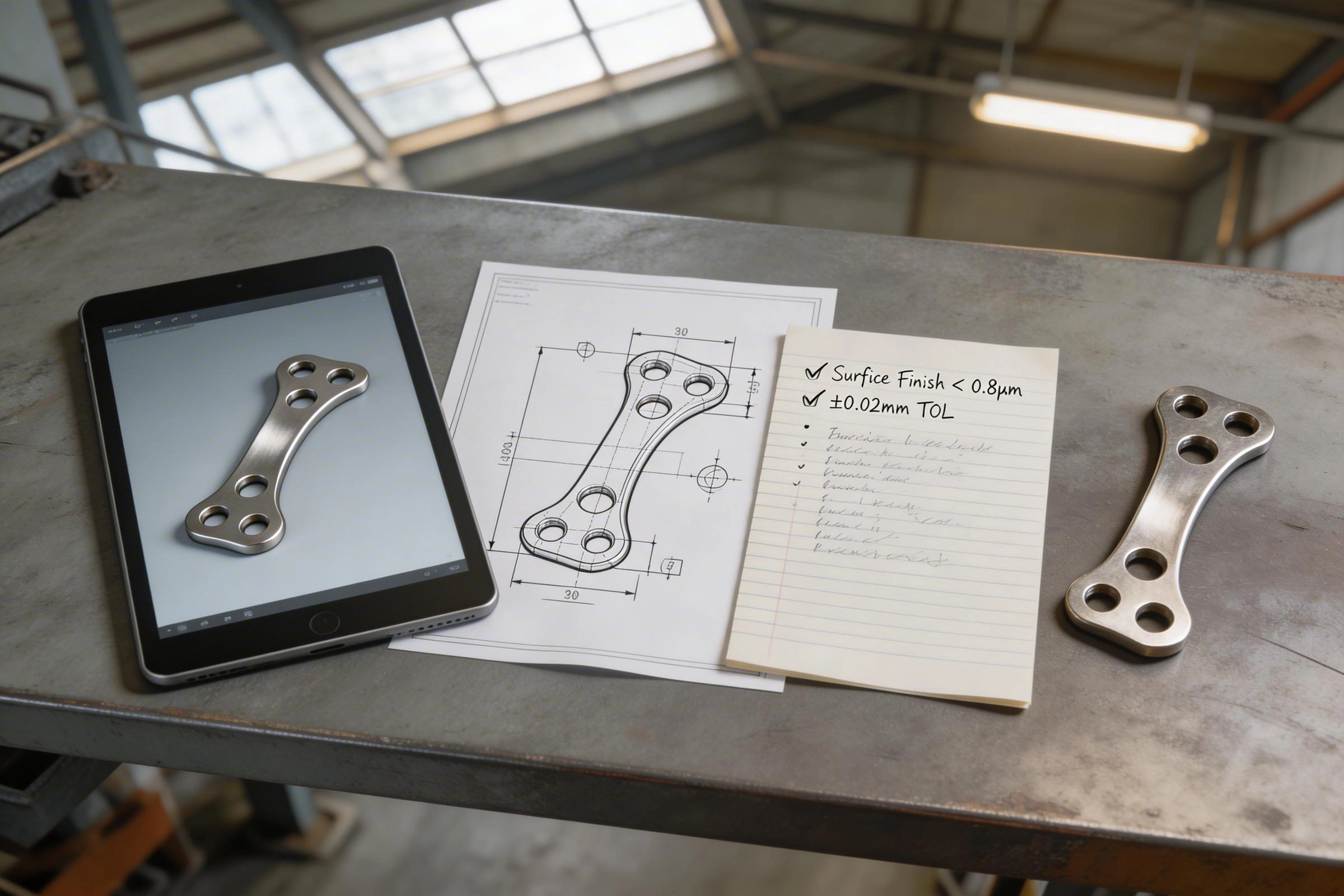
Medical parts require more than precision cuts: process discipline, inspection clarity, and traceability support are central to release confidence.
Critical Feature Attention
Machining and metrology aligned to the dimensions that drive function.
Documentation-Ready Workflow
Inspection and material records structured for quality review.
Prototype-to-Production Continuity
Controlled transition from validation samples to repeat builds.
Export-Ready Delivery
Packing and paperwork support for global medical supply chains.
Questions About Medical CNC Machining in China
What kinds of medical parts can be CNC machined?
Typical programs include instrument bodies, handles, clamps, housings, fixture components, and precision features used in medical device assemblies. Scope may cover prototype, validation, and controlled repeat builds depending on your development stage.
Do you support medical-grade materials and traceability?
Yes, when specified at order entry. We can machine common medical-related materials such as stainless grades, titanium alloys, cobalt-based alloys, and engineering polymers where suitable. Material certificates and batch traceability can be provided according to your documentation requirements.
How do you control quality for medical CNC machining?
Our ISO 9001:2015 workflow applies first-article checks, in-process verification, and final inspection against drawing-defined critical features. For medical projects, we prioritize repeatable inspection methods and documented controls so release decisions are evidence-based.
What tolerances can you hold on medical components?
Tolerance capability depends on geometry, material behavior, and setup strategy. Critical dimensions, threads, bores, and mating interfaces are planned with dedicated metrology checkpoints so consistency remains stable across batches.
Can you machine both prototypes and low-volume medical builds?
Yes. Programs can start with prototype validation and progress to low-volume releases as design controls mature. This staged approach helps teams reduce technical risk before broader production commitment.
What files should I send for a medical CNC quote?
Provide STEP, STP, IGES, or X_T files plus PDF or DWG drawings with GD&T, finish notes, and critical characteristics. Include quantity, material grade, documentation expectations, and any special handling requirements.
Can you support clean handling and post-machining finishing?
Yes, depending on specification. Typical post-machining paths may include deburr control, passivation, electropolish, or other finishing and cleaning steps coordinated to your quality requirements.
How are lead times managed for medical CNC orders?
Lead time is based on geometry complexity, material availability, finishing scope, and inspection depth. Once scope is fixed, we provide a confirmed schedule window in writing.
Do you provide DFM feedback for medical device components?
Yes. We review manufacturability, fixture access, tolerance concentration, and process risk before cutting begins. Early DFM usually improves revision speed and release confidence.
Request a quote for medical CNC components
Upload CAD and drawings for medical components. We return lead time, process assumptions, and inspection scope in writing.
Why buyers choose us
- 12–24h quote turnaroundPricing, lead time, and DFM feedback — fast.
- NDA-ready & confidentialYour CAD files and IP stay protected.
- ISO 9001:2015 certifiedDocumented inspection at every stage.
- No fixed MOQFrom single prototypes to full production runs.