
Electronics CNC Machining in China for Enclosures, Heat Sinks, and PCB Hardware
Our electronics CNC enclosures China work supports teams that need machined metal for thermal management, board-level fit, and mechanical integrity. We produce custom aluminum heat sinks, housings, and telecommunication hardware parts with DFM and inspection aligned to how the product actually assembles.
- Milled and turned parts for enclosures, thermal features, and structural electronics hardware
- Finishing coordination for anodize, powder coat, and passivation when specified
- Prototype, low-volume, and repeat production for evolving product lines
- ISO 9001:2015 quality rhythm with documentation your incoming QC can use
Precision Electronics Hardware Beyond a Single Part Category
Electronics mechanical programs often combine heat paths, grounding strategy, and assembly access in one housing. We machine features such as finned thermal regions, pocketed areas for boards or modules, fastener patterns, and front-panel openings that must match connector layouts without rework.
Our focus stays on industrial, test, telecom, and embedded-style hardware where drawings define fit and finish. For general capability context, see CNC machining China and custom CNC parts.
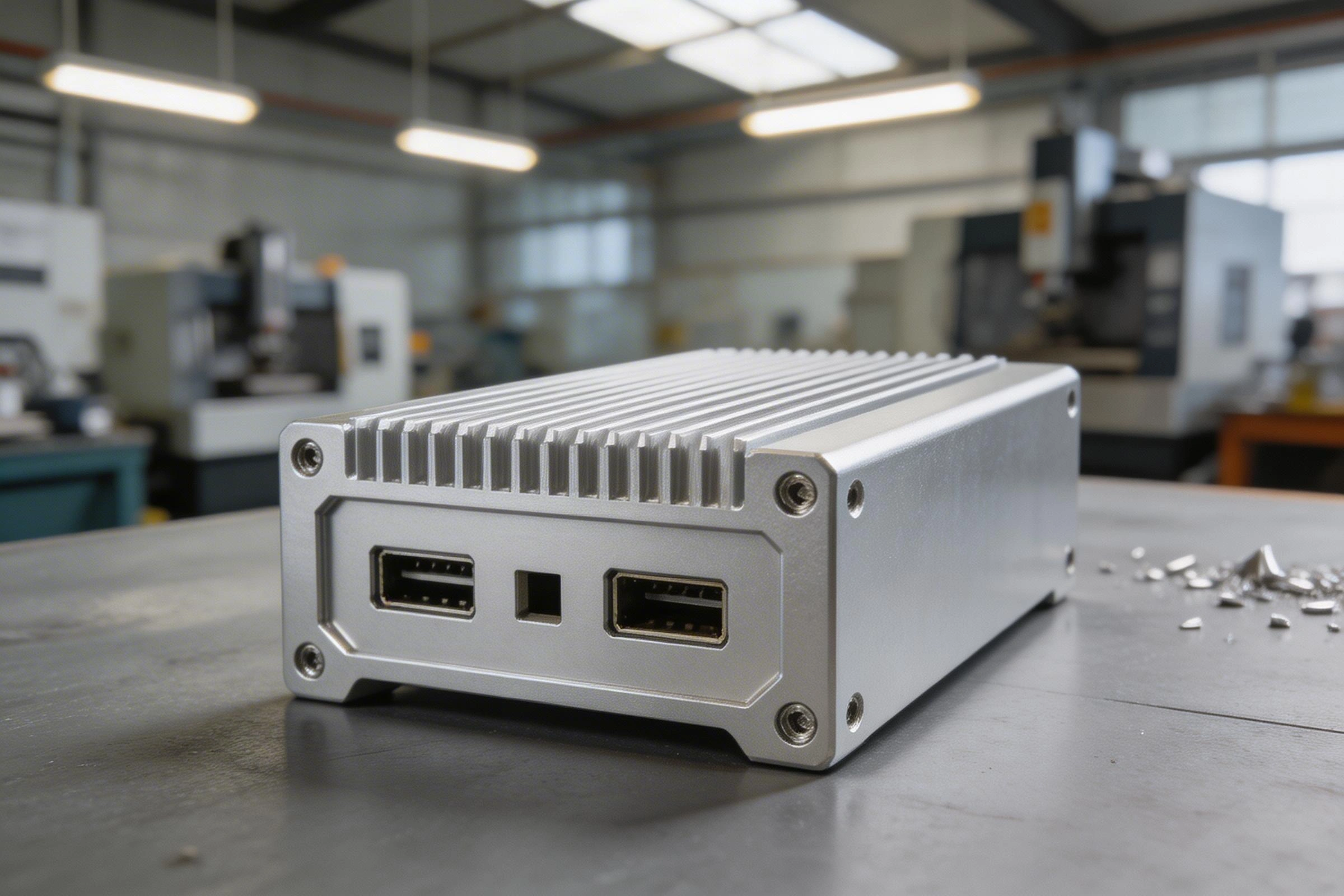
Heat Sinks and Thermal Features That Match Your Stack
Effective heat sink machining balances fin height, draft, base flatness, and mounting surfaces. We quote cycle time and finishing together so thermal interfaces stay within the tolerance bands you specify for TIM pads or direct contact.
Related finishing and surface scope can route through surface finishing when anodize or other treatments appear on the print.
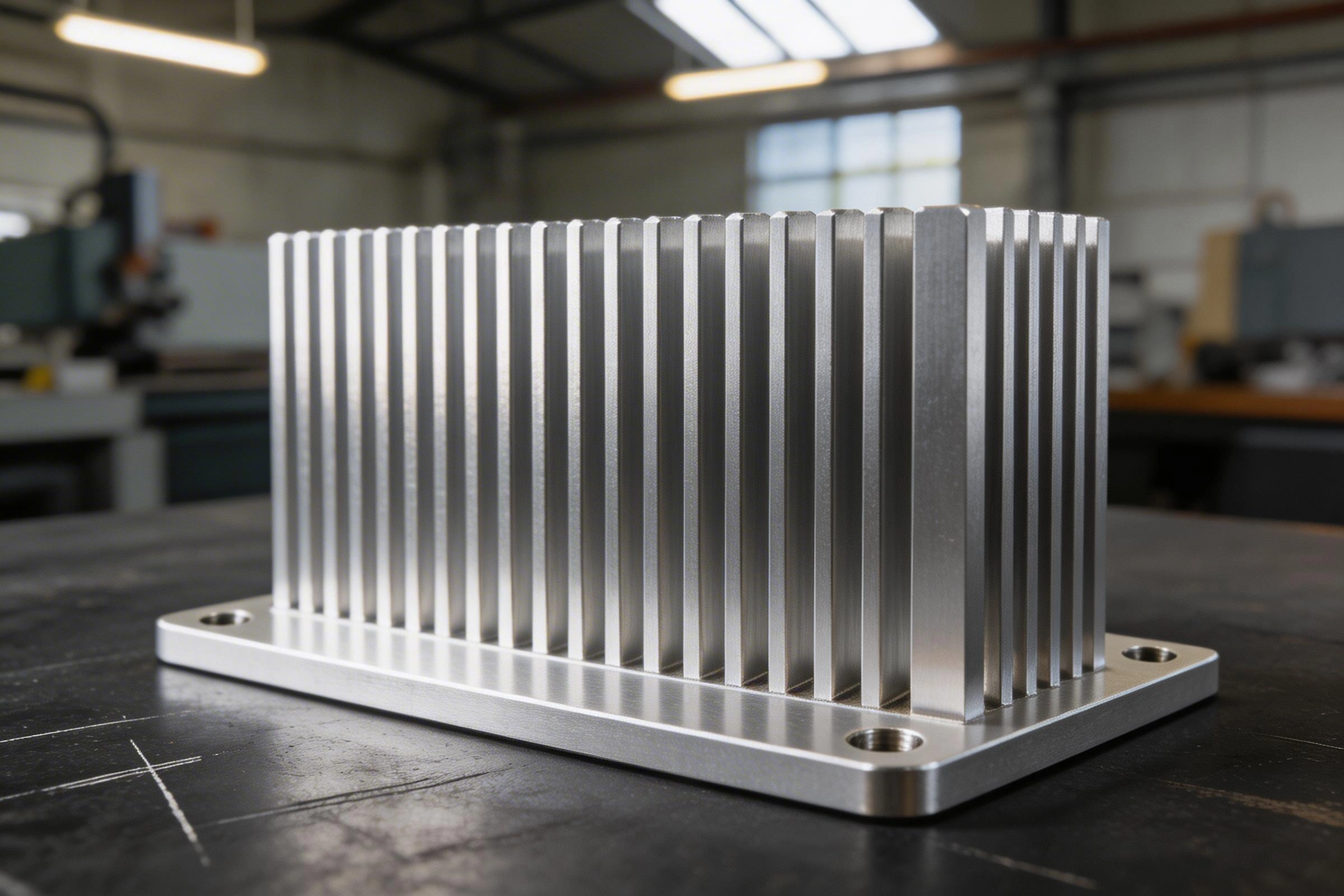
Aluminum, Copper Alloys, and Plastics for Electronics Builds
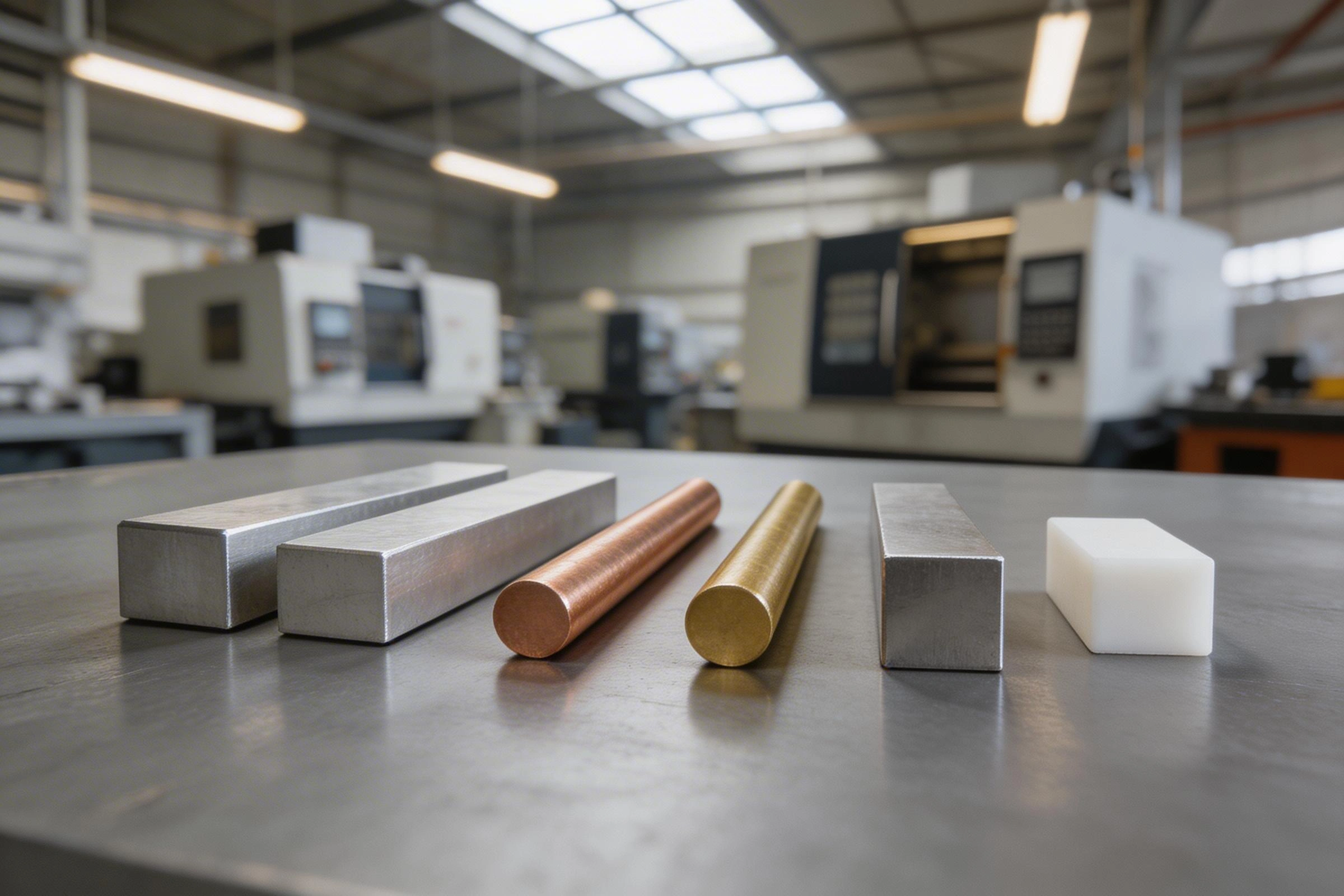
Aluminum remains common for enclosures and heat sinks because of weight and thermal behavior. Copper-bearing alloys and stainless grades appear when corrosion or shielding matters. Engineering plastics are available when your product specifies polymer grades for insulators or housings.
Material detail pages cover aluminum, stainless steel, brass, plastic machining, and titanium for programs that need those grades.
From Prototype Builds to Repeat Electronics Releases
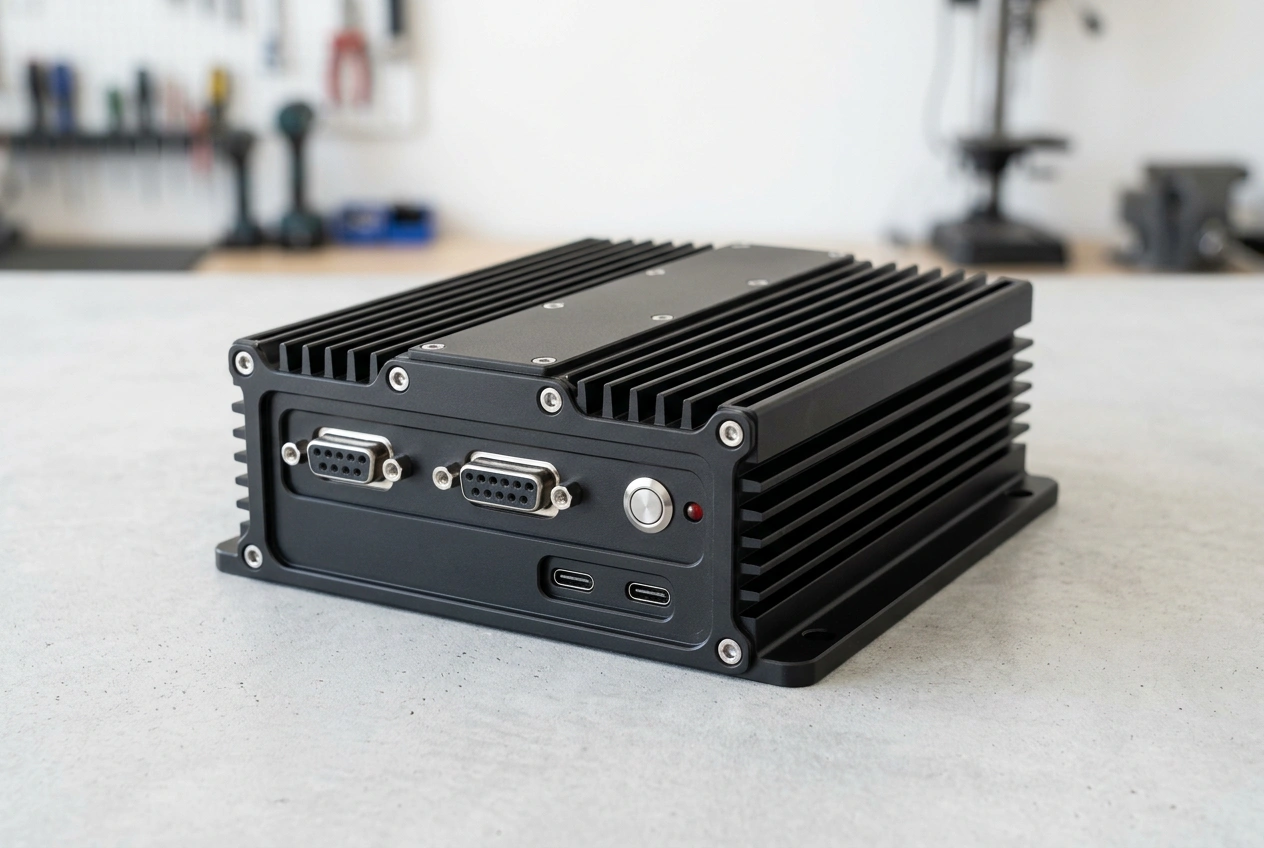
Product teams often iterate on enclosure fit, thermal performance, and connector access. We support that cadence with prototyping, low-volume runs, and mass production planning when schedules stabilize.
Prismatic housings and complex pockets often use milling and 5-axis access. Round or shaft-style hardware routes through turning when geometry fits.
Inspection and Records for Electronics Supply Chains
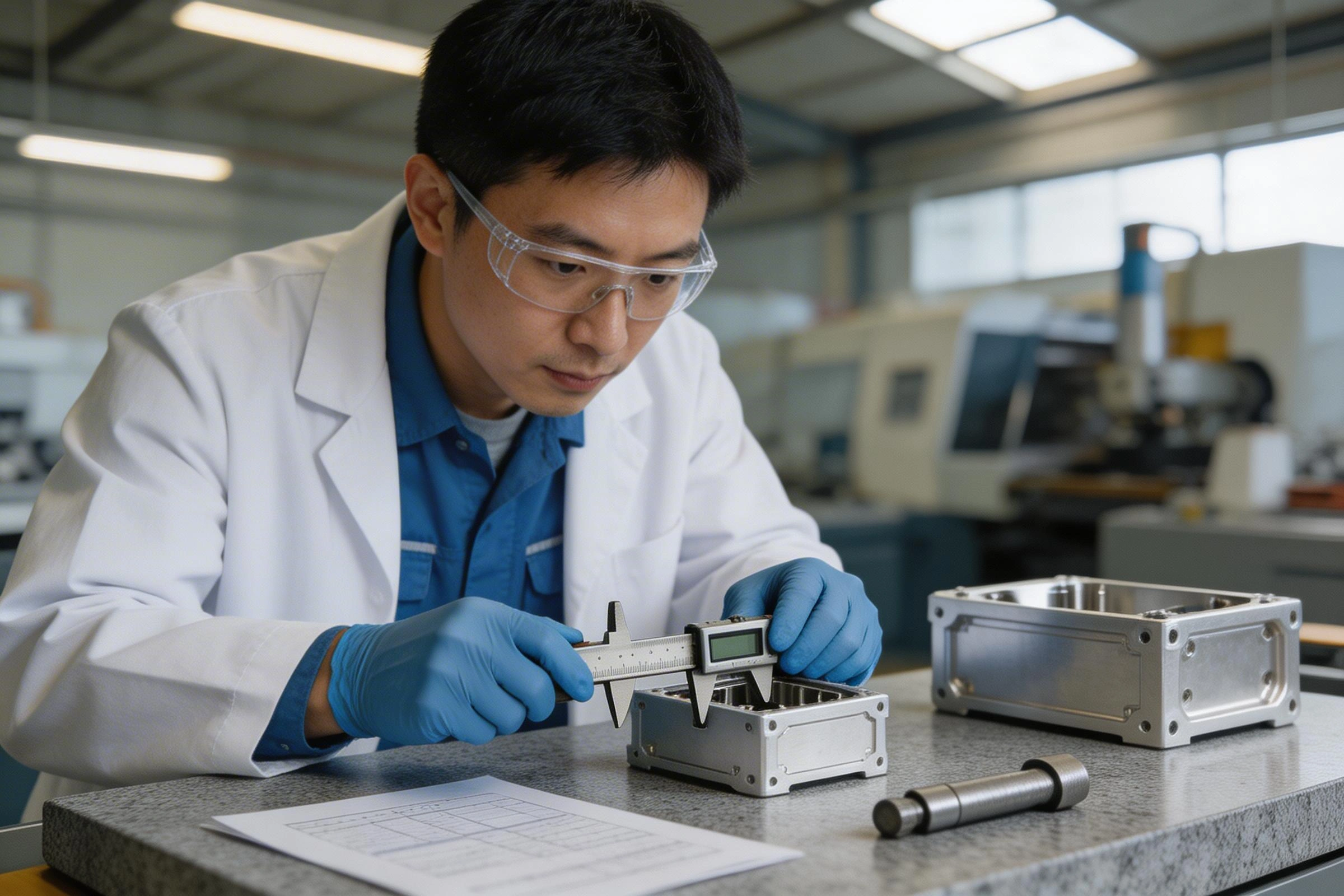
Our ISO 9001:2015 workflow includes first-article checks, in-process verification on critical dimensions, and final inspection aligned to your drawing. We concentrate metrology on interfaces that affect board fit, thermal contact, or sealing surfaces.
When miniature features dominate risk, see micro-part machining. When geometry is dense across multiple setups, see complex geometries.
Mechanical Parts That Match Your Electrical Stack
Factory-direct CNC in Dongguan with English-speaking engineering support.
Thermal-aware planning
Heat sink and enclosure features machined with finishing in mind.
PCB-fit discipline
Cutouts and standoffs aligned to assembly and connector layouts.
Telecom-ready hardware
Chassis and bracket work for network and industrial electronics.
Traceable QC
Documentation options aligned to your incoming quality process.
Questions About Electronics CNC Machining in China
What electronics hardware do you machine with CNC?
Typical programs include aluminum housings and covers, heat sinks and thermal spreaders, brackets and frames for PCBs, connector hardware, and telecommunication or rack-style mechanical parts. Scope follows your models and drawings rather than a fixed catalog of shapes.
How do heat sink geometry and fin density affect machining?
Tall or dense fin arrays increase chatter risk and extend cycle time. We plan tool engagement, step-over, and finishing passes so thermal surfaces meet your flatness and roughness notes without rounding edges that carry fit or airflow responsibility.
Which materials are common for electronics enclosures and thermal parts?
Aluminum grades such as 6061 and 7075 appear often for weight and thermal performance. Stainless, brass, and copper alloys are used when corrosion, shielding, or conductivity requirements demand them. Engineering plastics are an option when your print specifies polymer grades.
Can you machine PCB housings with shielding or interface cutouts?
Yes when drawings define connector openings, keep-out zones, and grounding or fastening patterns. We align machining and deburr expectations to assembly steps so edges remain clean for gaskets, EMI fingers, or fastener seating.
Do you support telecommunication and network hardware style parts?
We machine chassis brackets, faceplate-style details, and structural elements for telecom and industrial electronics when prints define dimensions and tolerances. Finishing and marking can align to your receiving and labeling rules when specified at order entry.
What tolerances can you hold on electronics-fit CNC parts?
Tolerance capability depends on geometry, material behavior, and setup strategy. For electronics fits we focus on critical dimensions and datums that control mating to boards, connectors, or thermal interfaces, with inspection aligned to your print.
How do you handle quality documentation for electronics supply chains?
Our ISO 9001:2015 workflow uses first-article checks, in-process verification on critical features, and final inspection tied to your drawing. Material certificates and reporting formats are available when specified at order entry.
What files should I send for an electronics CNC quote?
Send STEP, STP, IGES, or X_T models plus PDF or DWG drawings for threads, GD&T, thermal notes, and cosmetic zones. Include quantity, material grade, deburr expectations, finishing scope, and packaging or cleanliness requirements when they affect delivery.
Can electronics parts include anodize, powder coat, or passivation?
Yes when the drawing specifies them. Coatings change effective dimensions on precision fits, so we coordinate thickness allowances with critical interfaces. Finishing routes through our surface workflow for anodize, powder coat, passivate, blast, or polish per your notes.
Quote enclosures, heat sinks, and PCB hardware
Upload CAD and drawings for electronics mechanical parts. We return process assumptions, finishing alignment, and inspection scope in writing.
Why buyers choose us
- 12–24h quote turnaroundPricing, lead time, and DFM feedback — fast.
- NDA-ready & confidentialYour CAD files and IP stay protected.
- ISO 9001:2015 certifiedDocumented inspection at every stage.
- No fixed MOQFrom single prototypes to full production runs.