
Automotive CNC Machining in China for Precision Car Components
Our automotive CNC machining China programs support OEM, tier, and aftermarket teams with precision components for powertrain, suspension, and structural assemblies. We focus on repeatable machining and clear documentation so sourcing and engineering teams can release with confidence.
- Precision machining for engine, drivetrain, and chassis-related parts
- Prototype, low-volume, and recurring production support
- Material and process planning aligned to automotive use conditions
- Inspection workflows matched to critical fit and function features
Automotive Parts Where CNC Precision Matters
Automotive programs often require repeatable bores, threads, flatness, and mating interfaces across mixed materials and volumes. We machine parts such as housings, brackets, shaft-related details, suspension elements, and custom hardware where dimensional consistency affects assembly performance.
Whether projects are prototype-led or release-ready, we plan tooling, setups, and checks around the features that drive real fit and function.
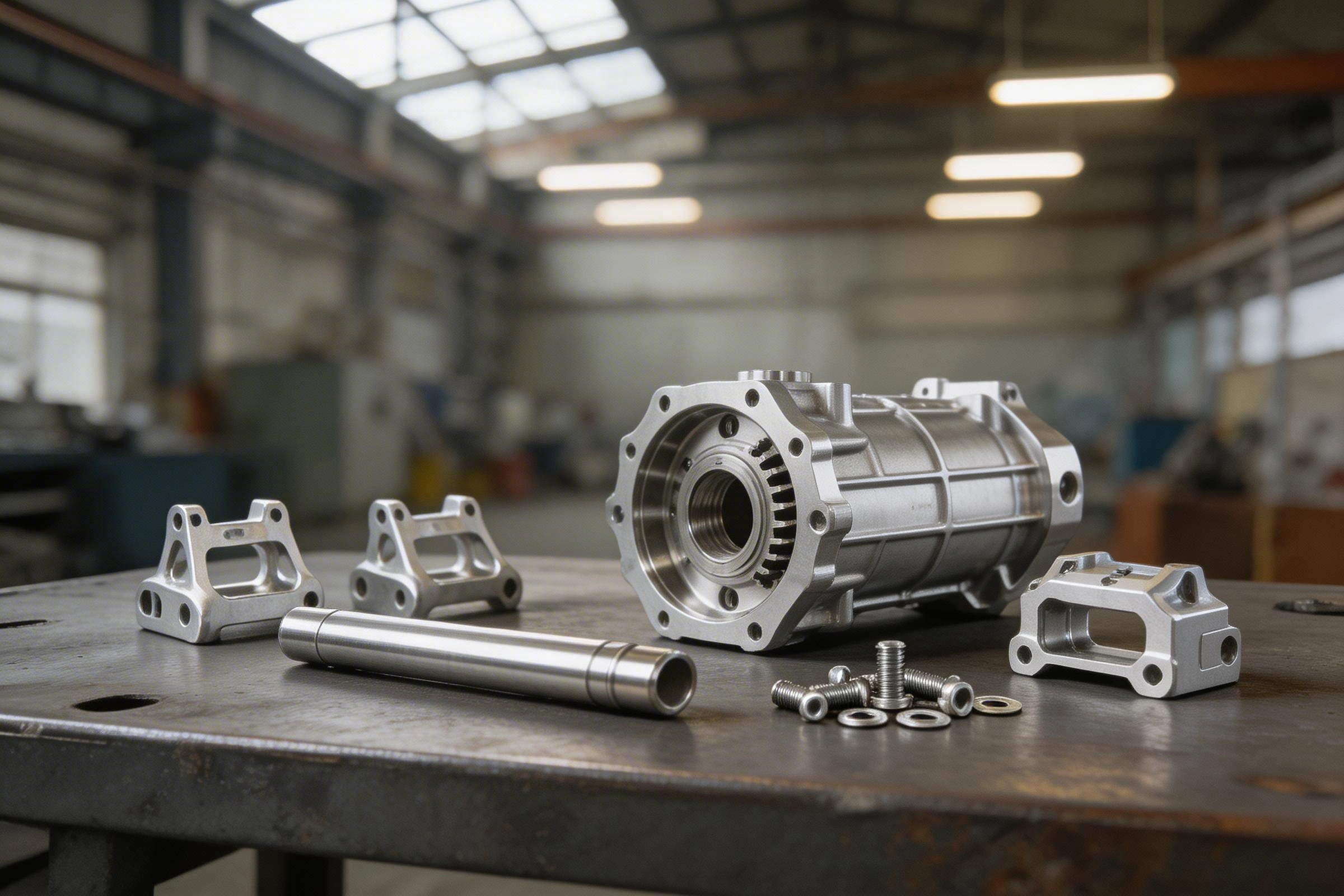
From Prototype Validation to Repeat Production
Automotive timelines usually require staged execution: early prototype proof, design updates, then controlled repeat output. We support this path with consistent revision control, first-article verification, and process continuity between phases.
Related services include prototyping, low-volume runs, and mass-production planning.
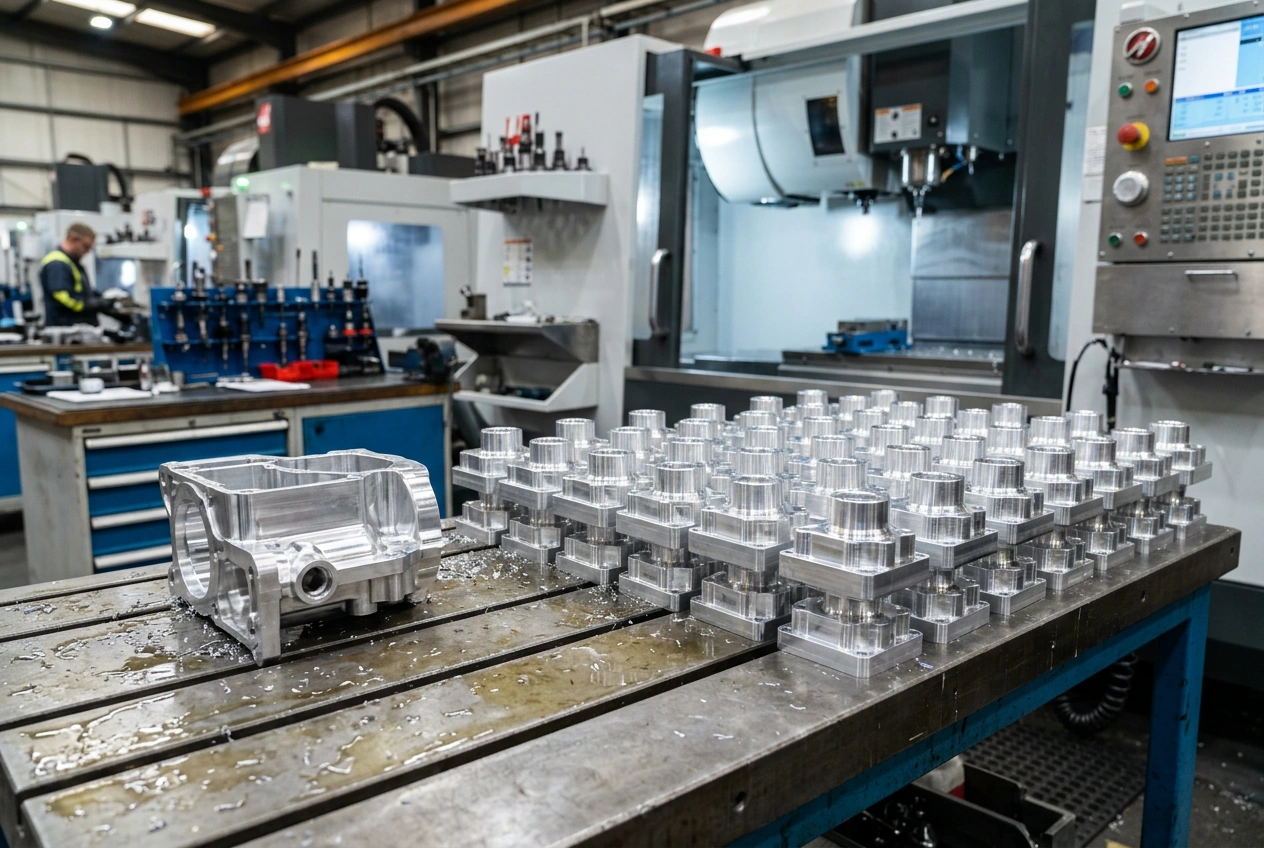
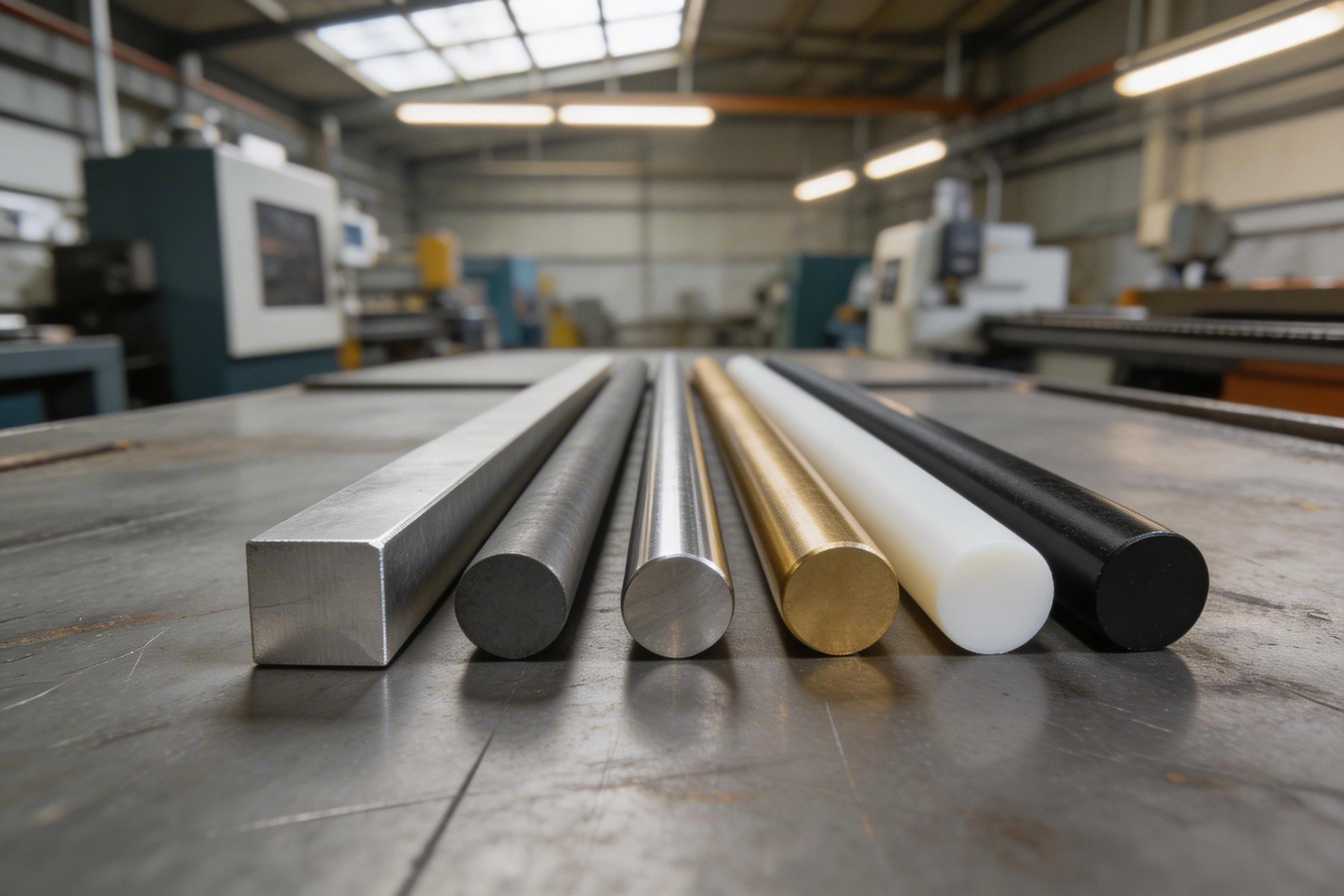
Automotive Material Flexibility Across Metals and Plastics
Common automotive machining materials include aluminum, steels, stainless grades, brass/copper alloys, titanium, and engineering plastics where thermal, wear, or weight constraints apply. Material choice should be driven by application loads, environmental exposure, and downstream finishing requirements.
For material-specific details, see aluminum, stainless steel, titanium, and plastic machining.
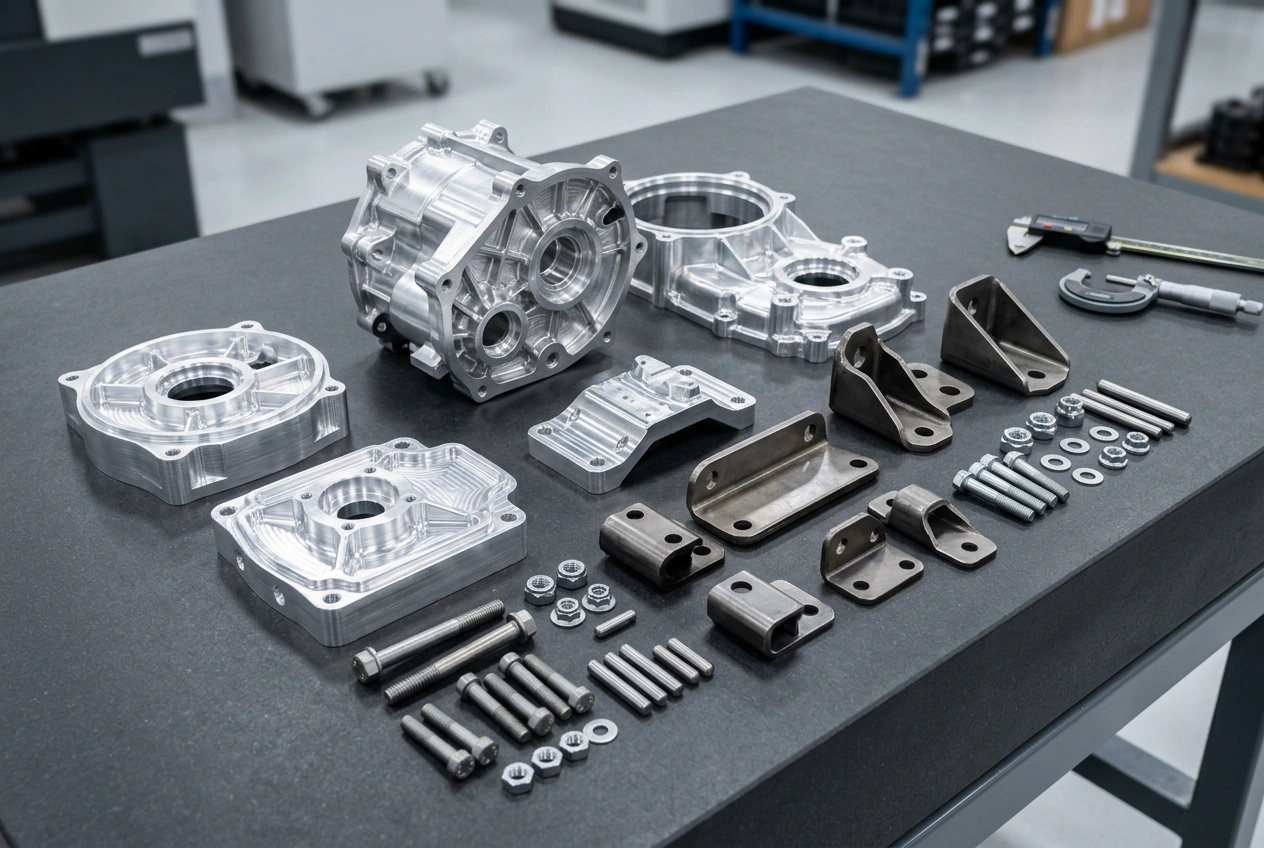
Inspection and Documentation for Automotive Supply Chains
Our ISO 9001:2015 workflow includes first-article checks, in-process verification, and final inspection based on your drawing. We focus metrology effort on critical dimensions and interfaces so release decisions are based on usable evidence, not assumptions.
Material certificates and reporting formats can be prepared when required by your incoming quality process.
What Helps Automotive Quotes Move Faster
Quotes move faster when CAD, GD&T drawings, quantity breaks, and finish requirements are clearly defined. For production-intent parts, call out critical-to-function dimensions and any report formats expected by your receiving team.
Early DFM review usually reduces revision loops and improves handoff from engineering to procurement.
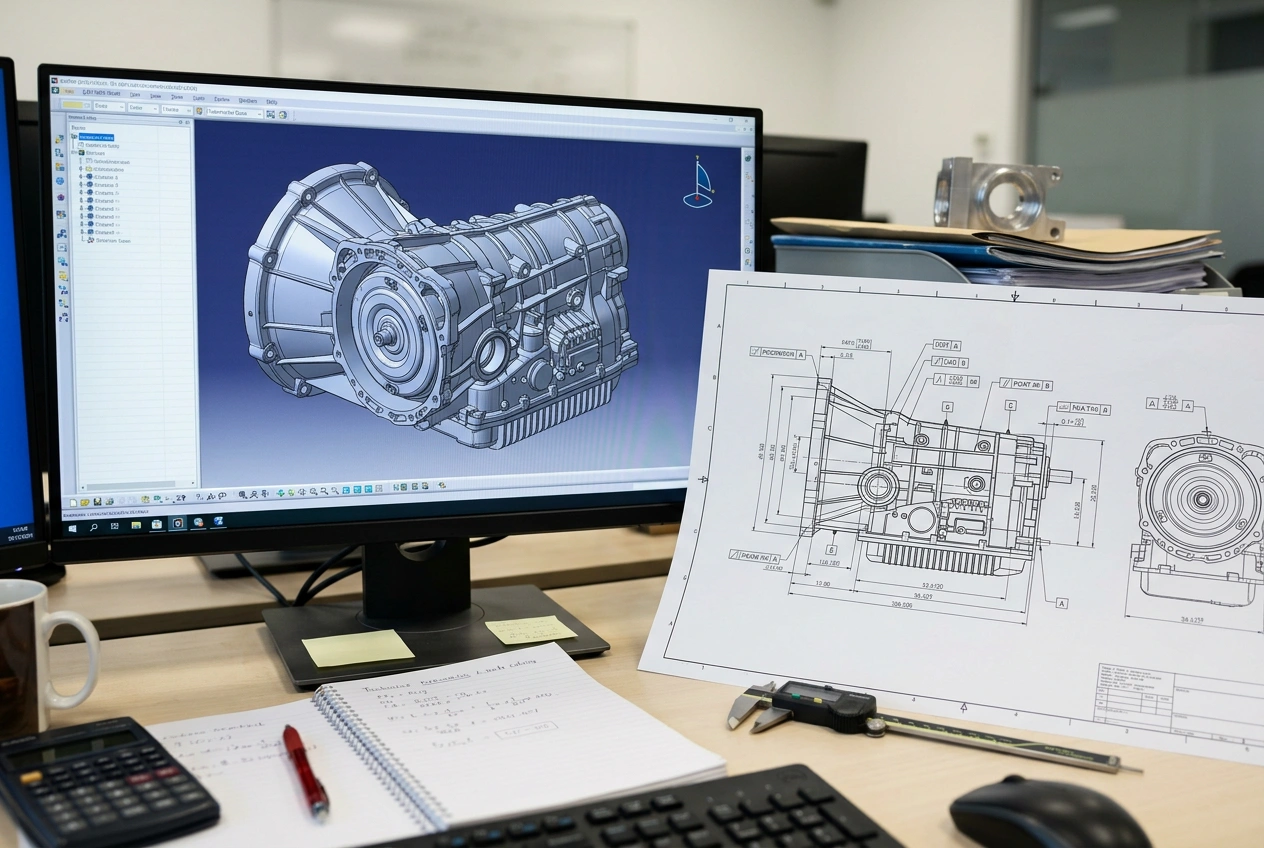
Automotive Programs Built Around Repeatability
The goal is not only to make parts, but to maintain fit, traceability, and schedule confidence across releases.
Process Stability
Setup and fixture logic designed for part-to-part consistency.
Critical Feature Focus
Inspection effort concentrated on dimensions that drive assembly behavior.
Documentation Discipline
Reporting and material records aligned to purchasing and quality expectations.
Export-Ready Delivery
Packing and paperwork support for global automotive supply teams.
Questions About Automotive CNC Machining in China
What automotive parts are commonly machined with CNC?
Typical automotive programs include engine and powertrain details, transmission and driveline components, suspension and steering hardware, brake-related parts, housings, and custom brackets. We support both OE-style and aftermarket projects where drawings define critical dimensions and interfaces.
Do you support prototype, low-volume, and repeat production for car parts?
Yes. Programs can start with prototype validation and move into low-volume or recurring production with revision and inspection controls. This staged path helps teams reduce design risk before committing to broader release quantities.
What materials do you machine for automotive components?
Common materials include aluminum, carbon and alloy steels, stainless grades, brass/copper alloys, titanium, and engineering plastics such as POM, nylon, and PEEK where suitable. Material choice is aligned to loading, environment, and downstream finishing requirements.
What tolerances can you hold on automotive CNC parts?
Tolerance capability depends on geometry, material behavior, and setup strategy. For automotive programs we plan machining and metrology around critical datums, bores, threads, and mating surfaces so repeatability remains stable across lots.
How do you handle quality control for automotive machining?
Our ISO 9001:2015 workflow uses first-article checks, in-process verification, and final dimensional validation against your drawing. Material certificates and reporting formats can be provided when required at order entry.
Can you assist with DFM before automotive production release?
Yes. We review tool access, fixture stability, tolerance concentration, and feature risk before machining starts. Early DFM usually reduces revision loops and improves release readiness for supply chain teams.
What files should I send for an automotive CNC quote?
Provide STEP, STP, IGES, or X_T models plus PDF or DWG drawings for GD&T, threads, finishes, and notes not fully modeled. Include quantity breaks, material callouts, and required documentation so quote scope matches production needs.
What lead times should I expect for automotive CNC parts?
Lead time depends on geometry complexity, material availability, finishing scope, and inspection depth. After scope is fixed, we provide a confirmed schedule window in writing rather than an open estimate.
Can automotive programs include surface finishing and secondary operations?
Yes, depending on part requirements. Common follow-ons include deburr control, blasting, anodizing, passivation, plating, and other post-machining treatments coordinated with drawing notes.
Request a quote for automotive CNC components
Upload CAD and drawings for automotive parts. We return lead time, process assumptions, and inspection scope in writing.
Why buyers choose us
- 12–24h quote turnaroundPricing, lead time, and DFM feedback — fast.
- NDA-ready & confidentialYour CAD files and IP stay protected.
- ISO 9001:2015 certifiedDocumented inspection at every stage.
- No fixed MOQFrom single prototypes to full production runs.