
Complex CNC Machining in China for Difficult Geometries
Complex CNC machining China is where envelope, access, and tolerance stacks collide. We engineer difficult geometries with documented setups, DFM discipline, and inspection that follows your GD&T instead of guessing which features matter.
- Multi-axis access through 5-axis when the print demands tilted tool paths
- Milling and turning combined for prismatic plus round detail
- Written DFM before metal cuts to protect cycle time and tolerances
- ISO 9001:2015 first-article and production checks aligned to critical relationships
Why Difficult Geometries Change the Whole Job
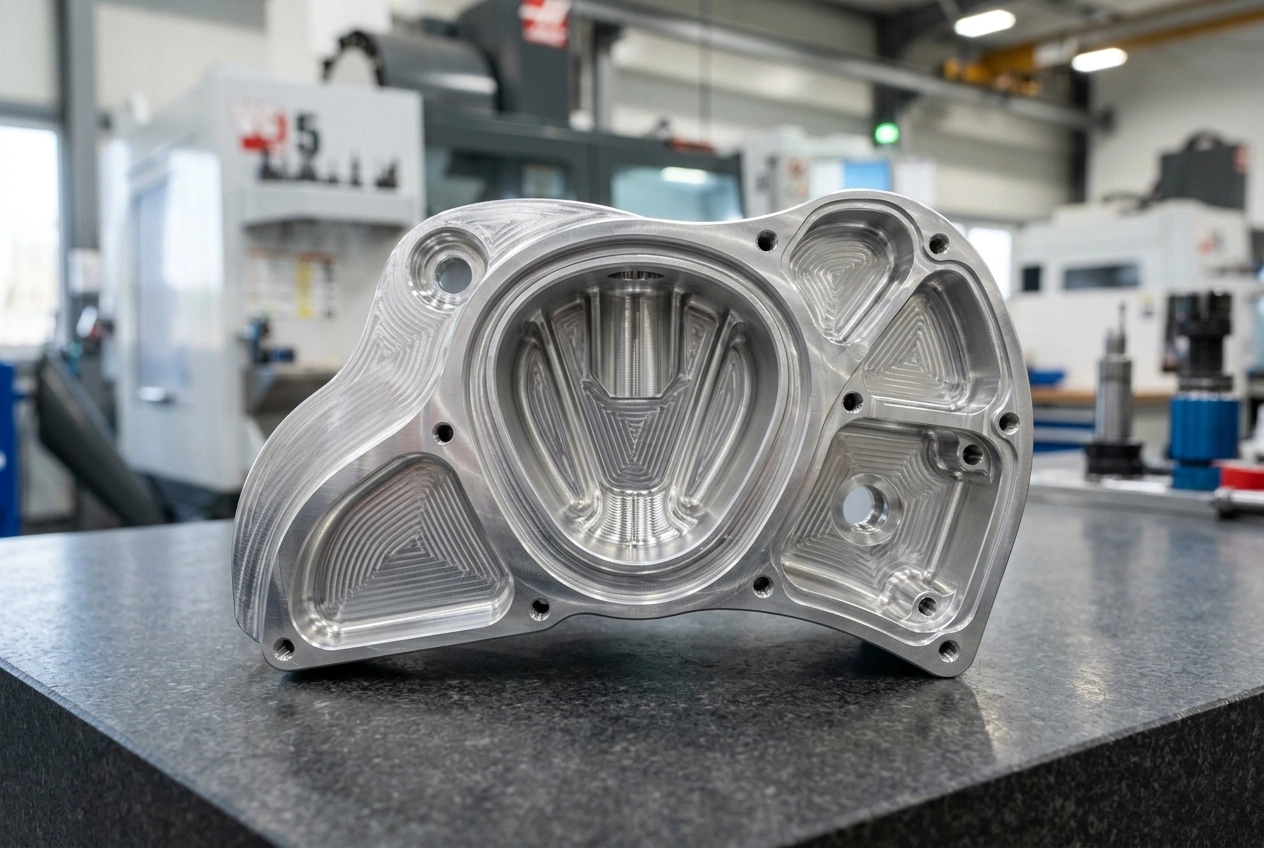
Difficult geometry is not only cosmetic complexity. It is the combination of reach limits, thin sections, deep cavities, undercut access, and tolerance zones that must stay correlated after several setup changes. Those constraints decide whether a program stays economical or drifts into endless rework.
Our factory-direct team in Dongguan keeps programming, fixturing, and inspection on one thread so datum logic survives from first article through repeat releases.
Signals Your Part Belongs in a Complex Machining Review
Buyers often discover complexity late when a quote returns with more setups than expected. The list below names frequent drawing patterns that trigger deeper DFM and fixture planning.
Access and undercut relationships
Features that hide from a single spindle direction usually need additional orientations or simultaneous motion. Early visibility prevents surprises after the first article.
Thin walls and deep pockets
Slender stock chatters faster and moves more under heat. Tool reach and step-over strategy must match material grade and required surface texture.
Dense true-position and profile callouts
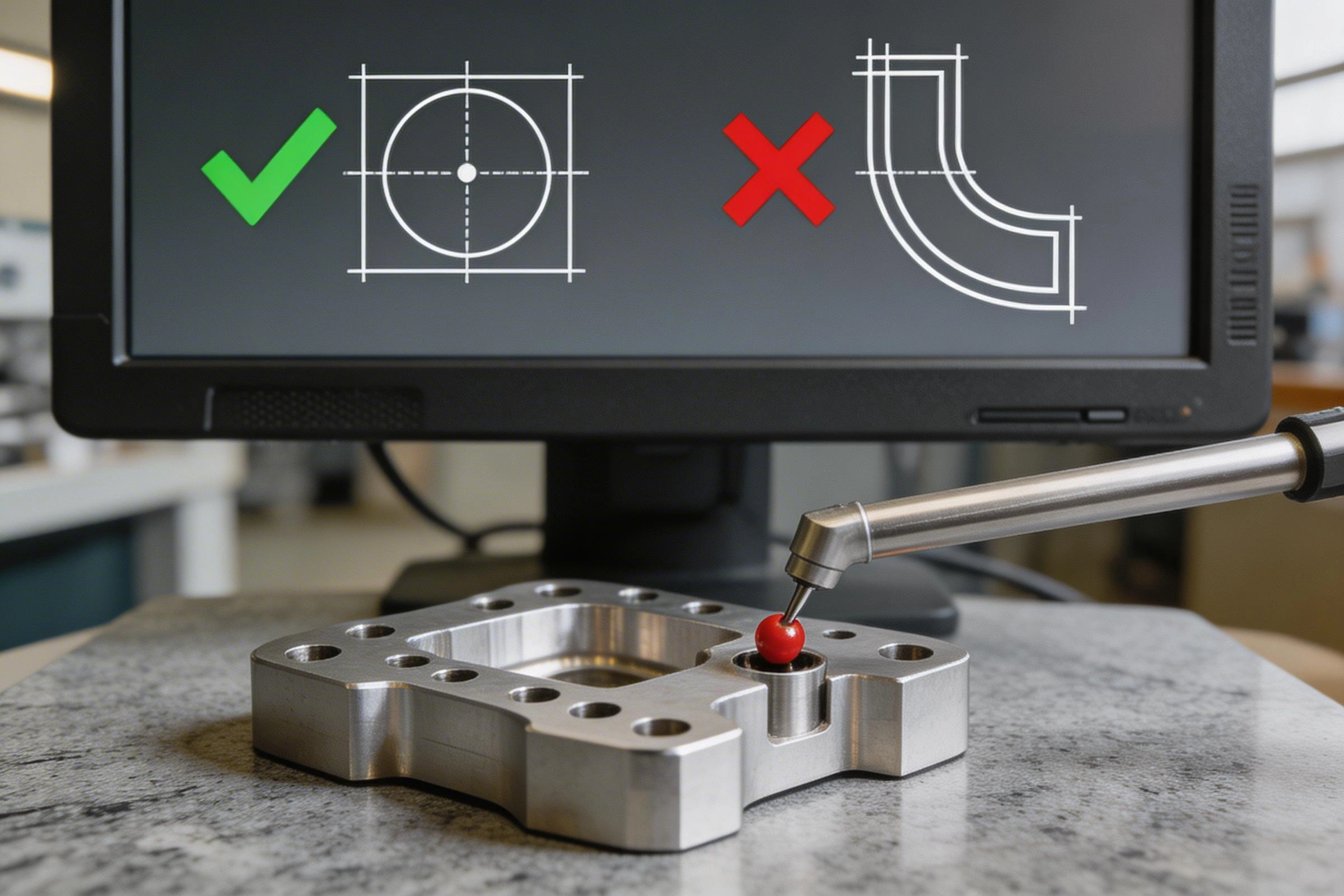
Tight stacks across holes, bosses, and contoured faces drive probing time and sampling plans. We align inspection burden to the risk you document on the print.
How We Structure Complex Geometry Programs
Each row ties a common challenge to a concrete planning response.
| Challenge | Planning response |
|---|---|
| Multi-face datums | Setup sequence and probe routines that preserve relationships you define. |
| Compound surfaces | Tool-axis strategy that may include 5-axis stages when access demands tilted engagement. |
| Mixed round and prismatic detail | Coordinated turning and milling releases with one traveler owner. |
| Secondary finishing | Thickness and masking rules coordinated through surface finishing before final sign-off. |
Milling, Turning, and Five-Axis Where the Model Warrants
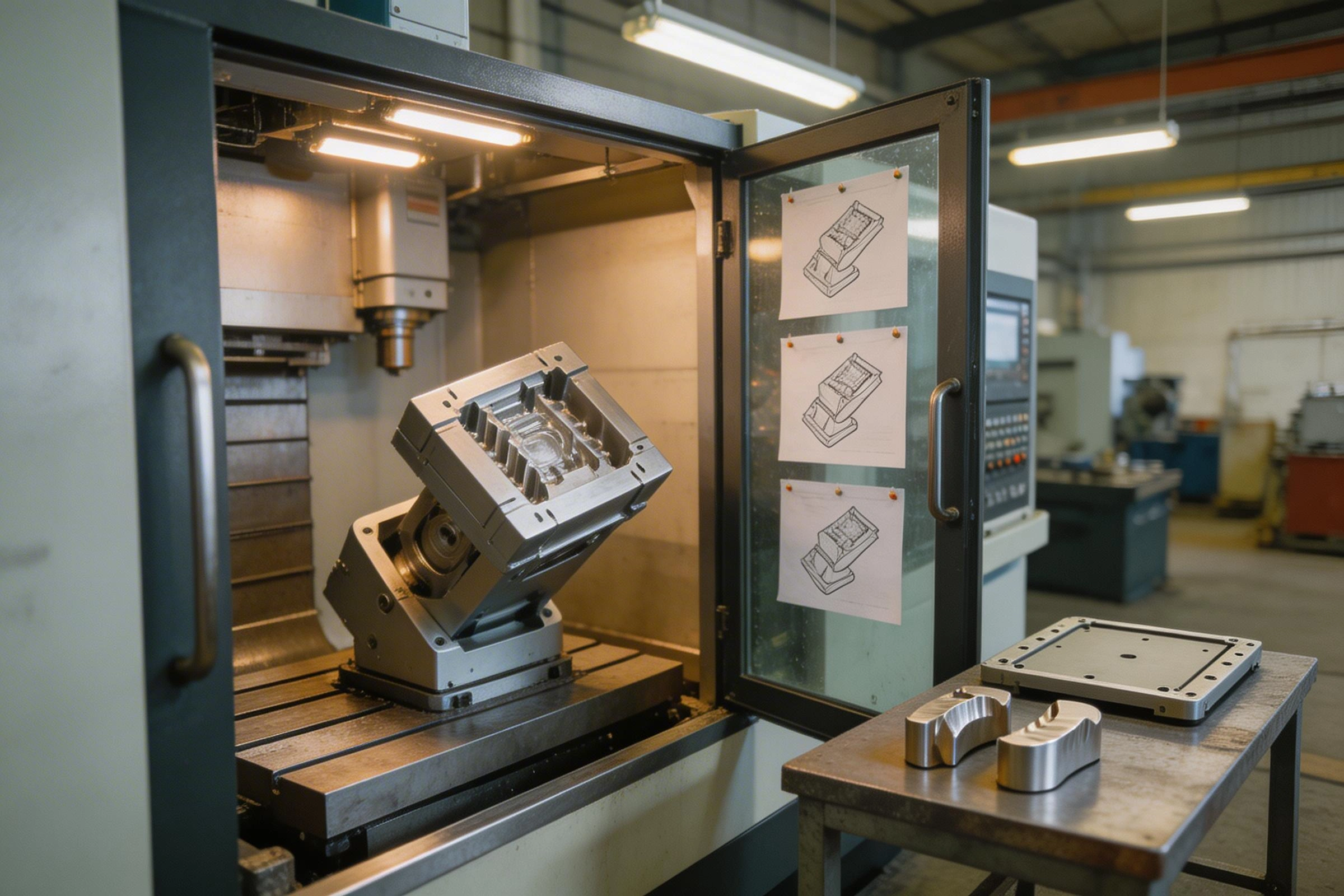
We route milling and turning work based on primary stock shape and feature access. When tilted engagement reduces setup count or improves surface continuity, we plan 5-axis machining stages explicitly in the quote.
For envelope extremes, pair this page with large-part or micro-part capability notes. For fully bespoke OEM scope, see custom CNC parts.
Engineering Support Tied to the Floor
Advanced engineering support means models meet real cutters, real workholding, and real CMM access. Our ISO 9001:2015 workflow documents first-article results against your critical features, then locks sampling logic for production so acceptance criteria stay stable.
For hub-level context on services and markets, start at CNC machining China.
Difficult Geometries With Documented Accountability
One program owner from file review through shipment.
Geometry-first planning
Setups sequenced around datums your drawing protects.
DFM you can approve
Written recommendations before cutting metal.
Inspection matched to GD&T
Sampling aligned to critical relationships on the print.
Finishing integration
Coatings and surface scope via our finishing workflow.
Questions About Complex CNC Machining in China
What counts as complex CNC machining for this capability page?
Complex CNC machining usually means geometry, tolerance density, or access limits that force multi-setup planning, simultaneous axis motion, or specialized workholding. Thin walls, deep pockets, undercuts, compound curves, and tight true-position stacks are common signals on the drawing.
How does DFM reduce risk on difficult geometries?
DFM aligns radii to reachable cutters, consolidates setups where possible, and surfaces tolerance zones that add inspection time without functional value. Recommendations are written for your approval so engineering and production share one revision trail.
When does 5-axis machining help versus 3-axis or 4-axis milling?
Five-axis access helps when features wrap a compound surface or when tilting the tool keeps engagement stable without manual repositioning drama. We route work to the leanest process that still holds your datums, which may include 5-axis, 3-axis stages, or turning when the part allows.
What tolerances are realistic on complex prismatic parts?
Tolerance feasibility depends on material behavior, feature access, and how dimensions chain across setups. We quote critical features with a measurement plan tied to your print instead of promising one universal band for every difficult geometry.
Which materials are common for complex machined components?
Aluminum, stainless steels, titanium, brass, and engineering plastics each change chatter risk and tool life. Grade choice should follow mechanical and environmental requirements. Material hubs on this site describe typical behavior for common grades.
How do you inspect parts with dense GD&T?
Inspection follows the risk on your drawing. We use first-article coverage on critical relationships, then sampling plans for production that match your quality agreement. CMM methods appear where true position and profile callouts demand repeatable numeric evidence.
What files should we upload for a complex geometry quote?
Send STEP, STP, IGES, or X_T solids plus PDF or DWG drawings for GD&T, threads, surface finish, and notes the model omits. Include quantity, material grade, finishing scope, and any prior failure context so assumptions stay explicit.
Can complex parts include finishing and coating after machining?
Yes when specified. Coatings change effective fits on precision faces, so we coordinate thickness allowances with your dimensions. Finishing routes run through our surface workflow for anodize, plate, coat, passivate, blast, or polish per drawing.
How does complex work connect to prototyping or production scale?
First articles prove fixture logic and inspection access. Repeat releases benefit from locked programs and stable travelers. We support prototyping and low-volume validation through higher-volume schedules when demand and drawing maturity justify the shift.
Send difficult geometries for a feasible CNC plan
Upload CAD and drawings. We return setup logic, axis strategy, inspection scope, and finishing alignment in writing.
Why buyers choose us
- 12–24h quote turnaroundPricing, lead time, and DFM feedback — fast.
- NDA-ready & confidentialYour CAD files and IP stay protected.
- ISO 9001:2015 certifiedDocumented inspection at every stage.
- No fixed MOQFrom single prototypes to full production runs.